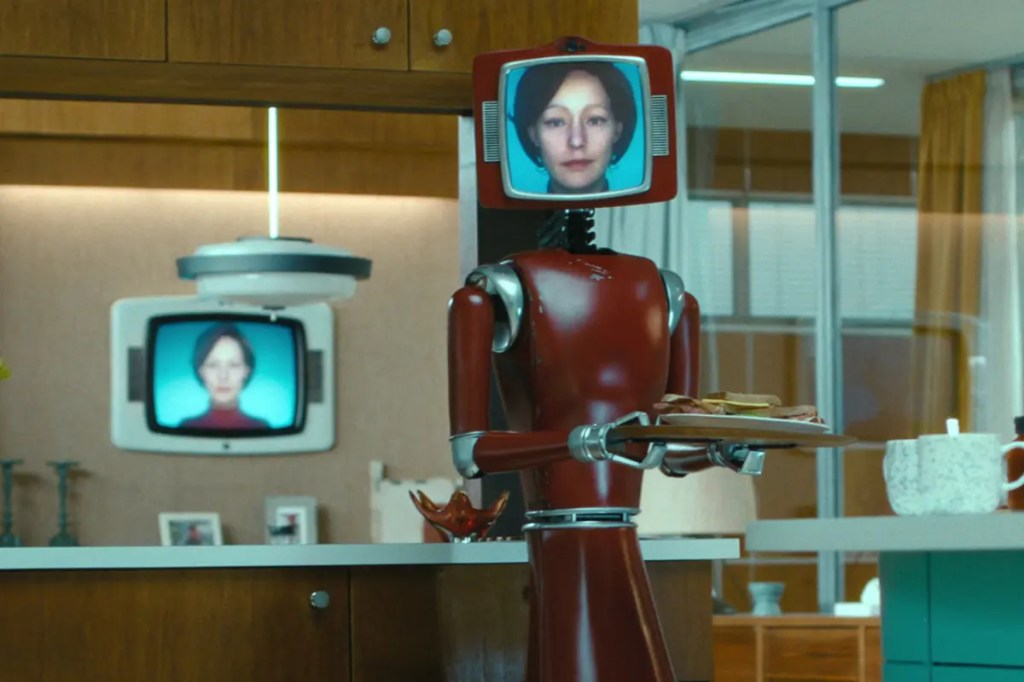
Who doesn’t enjoy a movie with remarkable qualities, yet finds it so exasperating that those strengths nearly get overshadowed? This is the case with the 2025 series “Cassandra,” a science fiction work that is both distinctive and captivating and a bit annoying.
The History of AI in film
AI has become a leading subject in dystopian films, thrillers, and horror. Stories about the future and artificial intelligence date back to the 1920s.
“The first representation of AI in film appeared even before we heard human voices on screen, with “Metropolis’ ” dystopian utopia providing the perfect backdrop to showcase the full, terrifying capabilities of this new technology.”
It quickly became clear that the inclusion of AI in films was a permanent feature.
In the 1950s, “The Day the Earth Stood Still” delved deeper into the theme of humanity’s complex relationship with the rise of AI and its accompanying possibilities and terrors. Were these machines benevolent, malevolent, or a blend of both? The 1960s then introduced us to Robot Rosie, who made us fall in love with a futuristic vision of life. As the ideal AI assistant,
“Rosie was unlike Siri or Alexa; she had feelings and the capacity to form relationships. Although she didn’t resemble a human, Rosie brought a new level of humanism to robots in the mainstream, reflecting a growing openness to home technology and its potential to enhance our lives.”
An Evolution of Terrifying Proportions
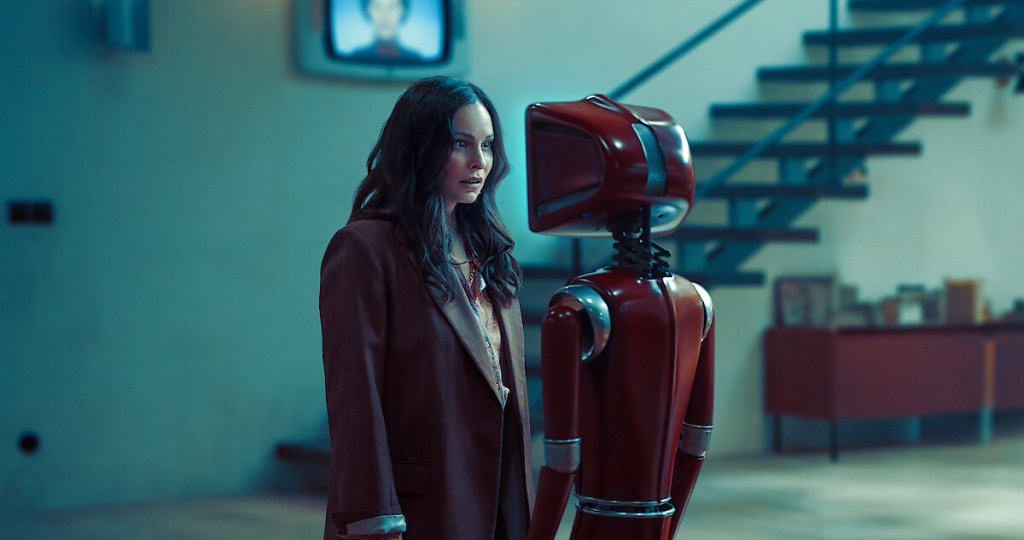
Lately, the portrayal of AI has been quite alarming, often suggesting impending doom and disaster. In “Cassandra,” this theme persists. The story revolves around a family seeking a fresh start after a devastating tragedy: moving into a smart home. There, they make an unusual discovery: an apparently abandoned AI system. Uncertain about the nature or purpose of this artificial intelligence, they decide to activate it. This AI is deeply integrated into their new home, omnipresent, and inescapable. Although she presents her intentions as benign, they are far from pure, revealing a significant imbalance.
A Deeply Layered Piece
The story delves deeper into Cassandra’s origins as the action intensifies, allowing viewers to grasp why this artificial intelligence assistant is more than a little unhinged. Unfortunately, only one member of the family of four possesses the observational skills or inclination to notice that something is awry. This could very well be because Cassandra has the matriarch in her crosshairs. “Cassandra” is a film brimming with intensity and heavy on engagement. There is a distinct line between who to root for and who to root against, and that desire is compelling. Everyone involved faces significant stakes, resulting in genuine moments of shock and disbelief. Without a doubt, the screenplay is well-executed.
Every Rose Has Its Thorns

Gaps are rarely beneficial, as they can leave viewers with more questions than necessary. For example, what are the actionable steps following an intentional murder? What follows an attempted school shooting? What happens after a child is nearly cooked alive? It all feels exaggerated and unresolved. One wonders if there could be a way to address these elements without compromising the movie’s impact.
Cassandra – A Unique but Maddening Sci-Fi Thriller
Ultimately, the ending leaves moviegoers scratching their heads. It’s too convenient, too conclusive, and far too rapid. The story accelerates from a gradual pace to breakneck speed as it hurtles toward a conclusion.
Overall, the series is entertaining. It comprises six episodes, and the engaging build-up makes it a quick watch. If “Cassandra ” hasn’t made it onto your list yet, consider giving it a try. It is currently streaming on Netflix.
 Uncut Diamonds