
Some movies are simply mesmerizing in every aspect, with every scene from start to finish brimming with substance. Everything about them resonates with brilliance, and “Sing Sing,” starring Coleman Domingo and Clarence Maclin is one such film.
“Sing Sing,” a 2025 drama, tells the story of incarcerated men who find liberation through theatre. The film centers on one man (Divine G, portrayed by Coleman Domingo) who has dedicated his life to creating an outlet, investing in others, and striving to get his case appealed. While many find their purpose and solace in art, this man, who has given his all from the very beginning, endures the pain of disappointment and dashed dreams. It’s an emotionally charged piece that demands the viewer’s full attention.
A Captivating Struggle: Art, Freedom, and the Battle Against the System

In the opening scene, we meet our main character, a first-class thespian on stage, who delivers his lines with profound emotion and thoughtfulness. As the film progresses, we gain insight into his and the other actors’ positions, clearly seeing the contrast between beauty and ugliness, freedom and imprisonment.
We quickly find ourselves rooting for Divine G; his persona, dedication to craft, love for his fellow prisoner, and outlook lead to this adoration. The screenplay is adept at its portrayal of the penal system as the primary antagonist, the force the inmates must overcome. This piece also benefits from the inclusion of a secondary story arc that enhances the main narrative. The second arc not only shows (Clarence Maclin’s) character’s growth but also how this development contributes to a pivotal moment when (G.) faces apparent defeat. Additionally, the cinemagoers are treated to a strong midpoint as the protagonist appears before the board and an even more intense climax when he must decide his course of action after receiving the parole board’s verdict.
Behind Bars, Beyond Limits: The Masterful Storytelling of Sing Sing
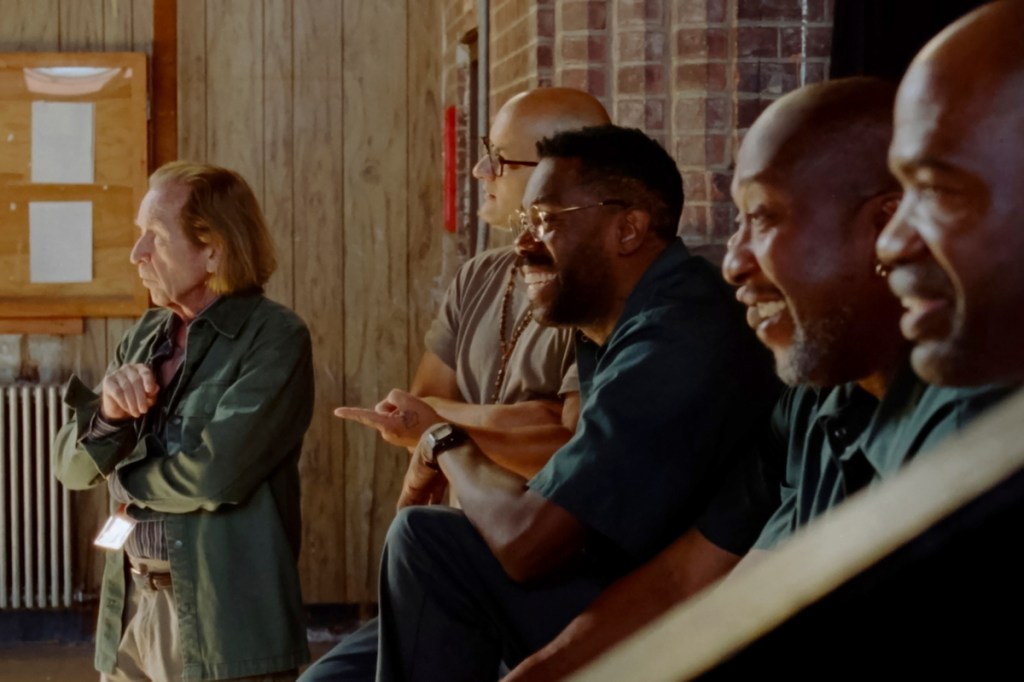
“Sing Sing“ is impressively structured, with the story unfolding beautifully. For those studying the craft of storytelling, the structural elements—such as the inciting incident, mid-point, climax, and strong resolution—are clearly identifiable. The acting showcases the power that emanates from the screenplay when talent is fully invested in bringing the narrative to life. These actors become so immersed in their roles that, as the story progresses, their identities fade into the characters they portray. This transformation strengthens the message, drawing audiences away from focusing on the actor.
I highly recommend “Sing Sing;” it is extraordinarily powerful. It reveals a side of this setting that viewers have likely never seen, and it sheds light on a sub-population they may not have considered, all while emphasizing the transformative impact of the arts. “Sing, Sing” is now available for streaming on MAX.
 Uncut Diamonds