Who can say no to an enticing, futuristic, dystopian science fiction anthology? I certainly can’t, which is why I’ve eagerly watched all seven seasons of Netflix’s “Black Mirror.” Although the quality of episodes can vary, the seventh season in 2025 provided a refreshing perspective.
Alternate Universes, Realities, And Entertainment
Science fiction has long captivated me, beginning with the 1960s “Twilight Zone,” hosted by a youthful Rod Serling. It was the blend of alternate realities and well-crafted narratives filled with profound meaning that drew me in. For years, it represented the pinnacle of entertainment and continues to resonate today, illustrating that while settings and characters may change, the themes that inspire, shock, and move us remain timeless. As WBUR notes,
” The show, known for its eerie music, aliens, lugubrious tone, and 1950s-style special effects, aired for only 6 years. But its impact and life in reruns created generations of fans who also found meaning in the themes it tackled: “racism, corporate greed, and man’s inhumanity.”
Reflective Science fiction
“Black Mirror” first premiered in the winter of 2011, and it has evolved significantly since its inception. As noted by NPR,
The original series presented exceptionally dark themes, emphasizing the idea that humanity often exploits every technological advancement for malicious purposes—ranging from torture to manipulation.
While technology remains a central focus, the tone of the show has changed over time. Not every episode carries the same level of darkness; nonetheless, the series continues to serve as a sharp reflection of contemporary society, which is particularly fitting for a series titled “Black Mirror.”
Common People: Episode 1
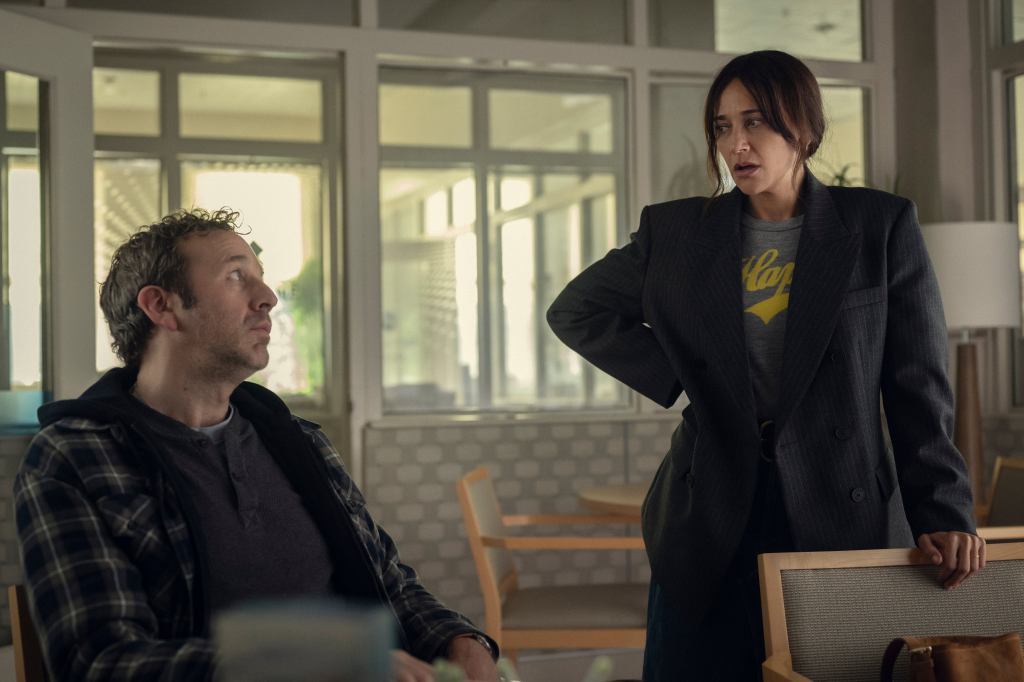
Episode 1 delves into the experience of longing for something just beyond reach, highlighting the lives of “Common People.” These characters, on the brink of a fulfilling existence, must make unimaginable sacrifices to achieve it. The episode is both heartbreaking and infuriating, stirring up anger in viewers toward the systems and tactics that dangle the prospect of a better life in front of those unable to afford the price.
Bête Noire: Episode 2
Episode 2 presents a narrative that is both a nightmare and, depending on the viewer’s perspective, somewhat vindicating. The story follows a girl who, after experiencing ridicule that left her tormented and isolated, finally exacts her revenge. While her actions are undeniably extreme, the episode conveys a more profound message about the importance of treating others with kindness. In contrast, the former bully finds her life spiraling into chaos as she becomes convinced that she is gradually losing her sanity—a truly terrifying ordeal. This episode operates within a morally ambiguous framework, and it is this complexity that makes it all the more captivating.
Hotel Reverie: Episode 3
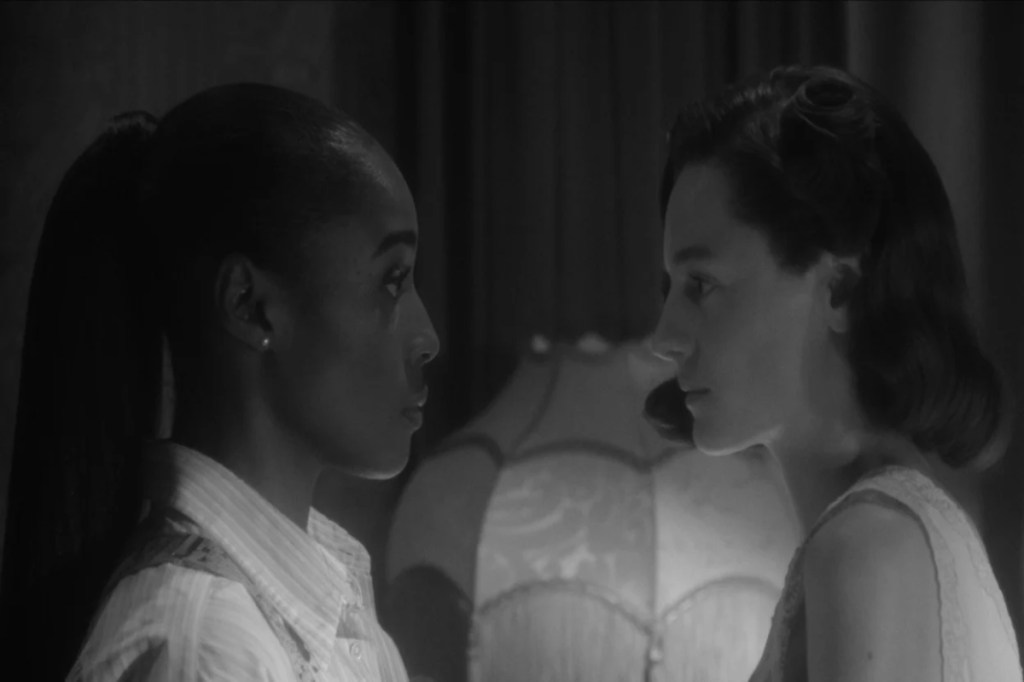
Episode 3 is rich with emotion, intrigue, ambivalence, sadness, and remorse. It examines our fascination with technological advancements and their potential ramifications for the future of the entertainment industry. The episode showcases the beauty of remastered classics while exploring the origins of love and what fuels it. It delves into the psychological effects of longing and the transformative journey of becoming a character. Issa Rae’s portrayal resonates deeply with audiences, highlighting her imperfections, personal struggles, and vulnerabilities. Additionally, the episode sheds light on the meticulous craft of filmmaking and the subtle nuances that shape a film’s narrative. The brilliance of this episode is truly remarkable.
Where Technology Meets Emotion: The Art of Black Mirror
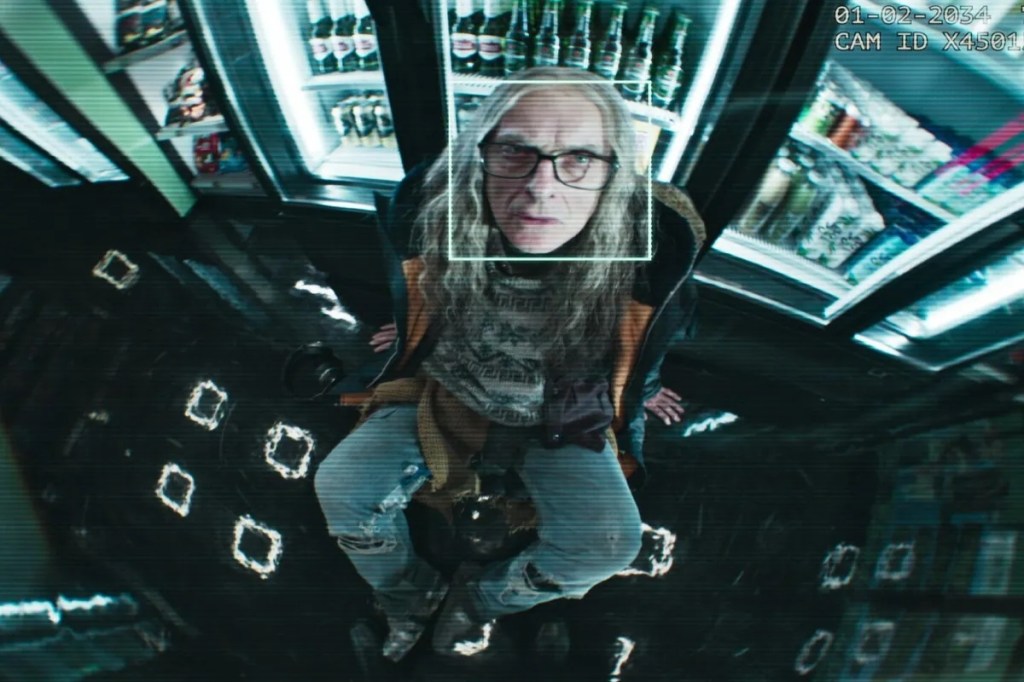
Beyond its outstanding writing, the series presents innovative ideas that stimulate contemplation about what the world could look like if these concepts were realized, already existed, or might come to pass. Each episode is skillfully cast with actors who bring a remarkable authenticity to their roles. The latest season is highly entertaining and a must-see for anyone with an appreciation for dystopian narratives, dark anthologies, and the intersection of technology and futurism in science fiction.
 Uncut Diamonds