
The debate among film and television enthusiasts about the worth of sequels and similar creations has been exhaustively discussed. The opinions are sharply divided, with one side advocating for the freedom and space for creators to express their visions without fear of judgment, while the other side firmly insists on the necessity for fresh, original content and the rejection of anything that seems to perpetuate the cycle of endless regeneration. There is much to be said for those who can take an existing concept and transform it in such a way that it proves perhaps the most sensible approach is to assess each work individually.
There is ample space for the new, the old, and the borrowed. The key lies in the quality and depth of content. The real measure of value is the added impact, and “Squid Game” serves as an excellent example of an intellectual property that has evolved to engage audiences on multiple levels. Its journey from inception to its current form showcases how it has grown and adapted, and that evolution is perfectly acceptable.
Introduction to the Games and Beyond
Squid Game was an explosive hit, a brilliant creation by Hwan Don-hyuk that captured the hearts of audiences all over the United States. This dark, dystopian tale from South Korea became a cultural juggernaut, dominating Netflix’s charts. The latest season was no different, smashing new records by garnering over 60 million views in just three days. It was the first show to claim the No. 1 position across all 93 countries where Netflix has Top 10 lists during its debut week, as reported by Variety.
A Recognized Theme But Brilliant Perspective
Squid Game can be seen as a reimagined take on the theme of survival of the fittest, similar to other dystopian stories like The Hunger Games. These narratives revolve around the concept of a single chance at redemption, a singular opportunity to live a life free from burdens. It offers a flicker of hope for someone to break free from the unyielding clutches of poverty. The stakes are monumental, with only one winner emerging victorious. Surviving until the end requires not just physical strength but also a profound test of mental resilience, emotional fortitude, and humanity. Yet, there’s something unique about this particular narrative. It’s the notion that those given the chance to escape the lion’s den, despite the overwhelming odds against them, always choose to gamble on those odds, preferring the risk of death to the life they feel they’ve been condemned to live.
From Outstanding to Beyond
The plot of the first season unfolded with meticulous precision, its themes woven with intent and clarity. The narrative was a powerful commentary; the heavy themes vied for prominence against the visceral shock and awe of the plot devices, the games themselves—childhood pastimes twisted into nightmarish trials, where innocence became a prelude to fatal reckonings.

This season has truly raised the stakes. The focus shifted towards a profound exploration of the darker facets of human nature. While the games remain at the forefront, the spotlight now shines on human decency and the existential question of what a life is truly worth. Who decides who has more value over another? Are there people who are inherently good, willing to put the needs of others above their own, becoming the central theme? This film lacks little in terms of evocativeness. The ability to invoke a deeply gnawing visceral reaction is unparalleled. The unspeakable actions of those who derive pleasure from this competition, contrasted with those willing to commit the unthinkable to claim victory, are profoundly impactful. The actors who immerse themselves entirely in these roles are nothing short of extraordinary. One clear and perfect example is Lee Jung-jae, portraying Seong Gi-hoon, who infuses his character with such feeling, reaching such depths of dramatic intensity that audiences cannot help but be captivated by his performance.
Resonance and Power: Storytelling That Packs a Punch
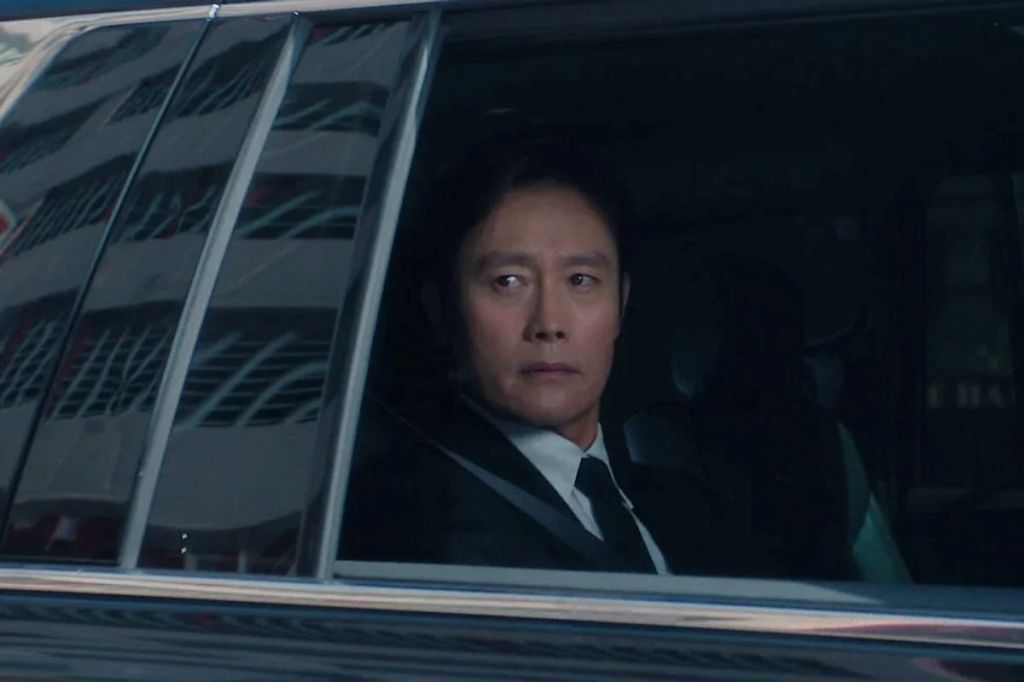
The shock, the heart, the soul, and the pain intricately woven into this narrative arc envelop this series like a perfectly tailored blanket. The emotional intensity draws viewers inward, gripping them tightly while simultaneously provoking and nudging them with its raw power. Such is the undeniable strength of this feature. As noted by the Salt Lake Film Society,
“The way we absorb their depicted plights and decisions often immerses us in an emotional cinematic reality, even if we are not directly experiencing the situations in question.”
This film maneuvers through its storyline in a manner that defies description, captivating audiences with its unique approach. Three cheers for Don Kang, who is highlighted in Variety for the show’s unprecedented success validating a philosophy of authentic storytelling over manufactured global appeal. Thunderous applause to Hwan Don-hyuk, whose mastery of cinematic storytelling is worth the accolades.
If you haven’t yet experienced the gripping narrative of Squid Game, it is currently available for streaming on Netflix.
 Uncut Diamonds