
At the heart of Marvel’s empire lies its vast pantheon of superheroes, characters who have leapt from comic panels to dominate global screens. The Avengers stand as perhaps the most beloved team among them, yet even Earth’s Mightiest Heroes cannot escape the inevitable cycle of renewal. As one generation falls—claimed by sacrifice, diverging paths, or narrative necessity—another must ascend. Enter “The Thunderbolts,” Marvel’s latest assembly of unlikely champions rebranded as the New Avengers. Their 2025 cinematic debut chronicles this transition, and I found myself eagerly anticipating this fresh iteration of Marvel’s heroic legacy.
The Thunderbolts Make Their Grand Entrance
“The Thunderbolts” opens with Yelena Belova, Black Widow’s sister, wrestling with an existential crisis. Forever in her late sibling’s shadow, she craves purpose beyond the covert missions assigned by Valentina Allegra de Fontaine, a political operative with ambitions of her own. After completing her latest assignment, Yelena negotiates with Valentina: one final mission in exchange for considering her request for something more meaningful. Before embarking on this task, she visits her father Alexi Shostakov—ostensibly to check on him, but truly to confess her yearning for a life with greater significance. This personal quest establishes the emotional foundation for the story that follows.
From Trap to Team
Driven by her yearning for purpose, Belova accepts what she believes is a routine assignment, unaware it’s actually Fontaine’s elaborate trap designed to eliminate her troublesome operatives. The mission throws Belova into an unexpected alliance with Robert (Sentry), John (U.S. Agent), and Ava (Ghost)—reluctant partners forced to cooperate for survival. As they navigate their escape, the team uncovers Robert’s true nature: a man of extraordinary power whose personal crisis has set him on a destructive path. With Bucky Barnes and her father, Alexei, joining their ranks, Belova helps forge an unlikely coalition capable of averting disaster. Through this crucible of shared danger, she not only finds her longed-for meaning but also helps establish what will become Marvel’s next generation of heroes: the New Avengers.
Transformative Journeys and Underdog Triumphs
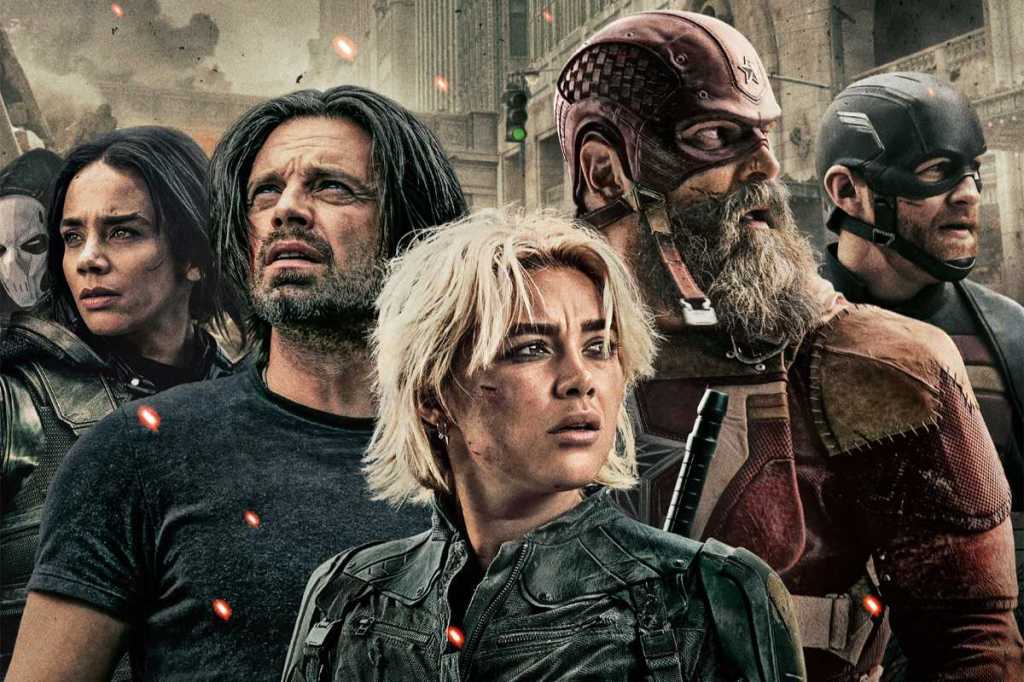
The Thunderbolts execute Marvel’s time-tested narrative blueprint with precision: a protagonist confronts an impossible challenge, faces their darkest moment, chooses to persevere, and emerges transformed. This familiar journey forms the backbone of the film’s emotional architecture.
Like its predecessors, the film delivers that quintessential superhero alchemy—underdog triumph and inextinguishable hope—with a cast that inhabits their roles convincingly. The ensemble offers multiple entry points for audience investment: Alexei Shostakov yearning to reconnect with his daughter while reclaiming his heroic identity; Yelena Belova striving to step into the light after years in the shadows; John Walker desperate to prove his worth after public disgrace; Robert Reynolds/Sentry grappling with godlike power while searching for belonging; or Bucky Barnes continuing his redemptive arc from Winter Soldier to Avenger.
The Weak Spots in Marvel’s ‘The Thunderbolts’
While The Thunderbolts largely succeeds, there are a few narrative choices that potentially strain the receptibility of the piece. Sentry’s redemption arc feels rushed—his journey from darkness to light occurs with implausible speed, sacrificing psychological realism for plot expediency. Ghost remains frustratingly opaque among the ensemble; unlike her teammates, who entered with established backstories from previous Marvel films, her character lacks the development needed to earn our emotional investment. Perhaps most jarring is the moment when Fontaine inexplicably leaves a disarmed Sentry unattended, allowing him to regain his powers for the climactic confrontation. This decision contradicts Fontaine’s established cunning and survival instinct—a character who knows Sentry’s capabilities would never risk such carelessness. This inconsistency, along with abandoned plot threads like the unresolved congressional hearing, occasionally undermines an otherwise compelling narrative.
Thunderbolts Seals the Deal
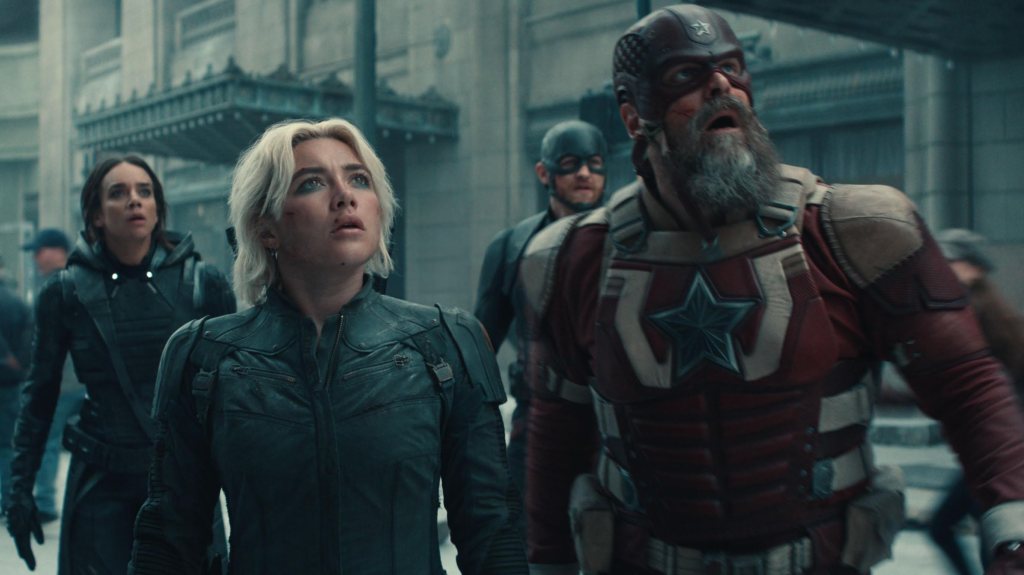
The Thunderbolts accomplishes its fundamental mission: transforming a ragtag collection of morally ambiguous outcasts into Marvel’s next flagship team. The film delivers its promised entertainment value while navigating viewers through this transition with relatively few missteps. In the final accounting, it stands as a successful addition to the Marvel cinematic universe—not revolutionary, perhaps, but certainly effective.
 Uncut Diamonds