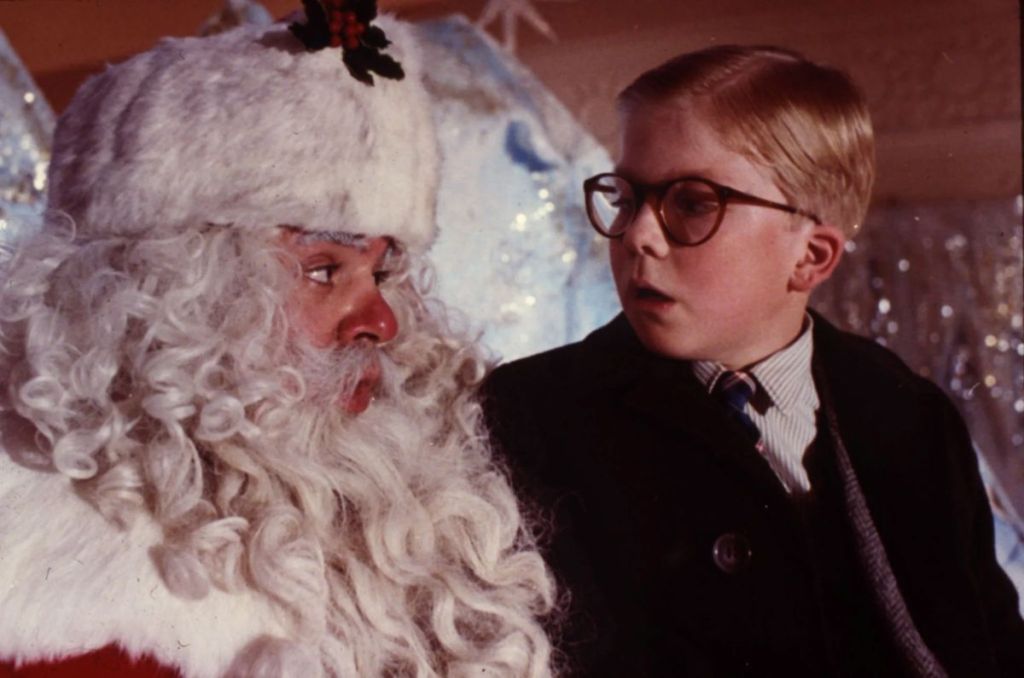
Bob Clark’s (1983) “A Christmas Story” remains one of the most nostalgic and beloved holiday films. When I first watched it as a child, I couldn’t quite explain why it struck such a chord with me. Resonance, after all, depends on personal connection—yet this family bore little resemblance to my own. So what was it that made the film feel so familiar, so enduringly warm?
In recent years, the push to diversify storytelling has become essential, ensuring that more viewers see themselves reflected on screen. The objective, of course, is to create something people not only watch once but also return to a film that invites revisiting through genuine emotional engagement. That kind of connection usually comes from strong character development, authentic dynamics, and a narrative arc that feels lived-in and real. “A Christmas Story,” however, stands apart. It manages to capture universal feelings of wonder, longing, and nostalgia; even without mirroring every viewer’s personal experience.
The Specialness of “A Christmas Story”
As Vanity Fair observed, “A Christmas Story” broke from the glossy holiday formula. It embraced the season’s messier truths—greed and gaffes, bruised feelings and comic misfortune—delivering a sharp, realistic satire wrapped in the warm, wry recollections of a nine-year-old narrator. That vantage point was everything: we experienced Christmas exactly as a child would.
At heart, the film captured what the holiday means to kids—desire, anticipation, and the electric hope that impossible wishes might come true. We were all Ralphie, fixated on a dream gift and undeterred by adult warnings. When he hears the familiar maternal refrain—essentially, “you’ll put your eye out”—he doesn’t surrender; he simply recalibrates and plots anew, a small hero powered by pure, stubborn longing.
The Northern Star Of “A Christmas Story”: Following the Plot
“A Christmas Story” follows a modest Midwestern family in 1940s Indiana: a working dad, a stay-at-home mom, and two rambunctious boys soaking up the world around them. Magazines and storefront displays feed a young mind hungry for something he can’t yet grasp. The film isn’t really about the parents or their finances; it’s about one kid—his imagination, his dreams, and the mischief that defines childhood.
Still, the story circles back to a message parents understand instinctively. We want to give our kids the best, to honor their wide-eyed wonder and cheer on their ingenuity. But there’s wisdom, too: not everything we want is good for us, and sometimes only experience teaches that lesson.
We’re All Ralphie
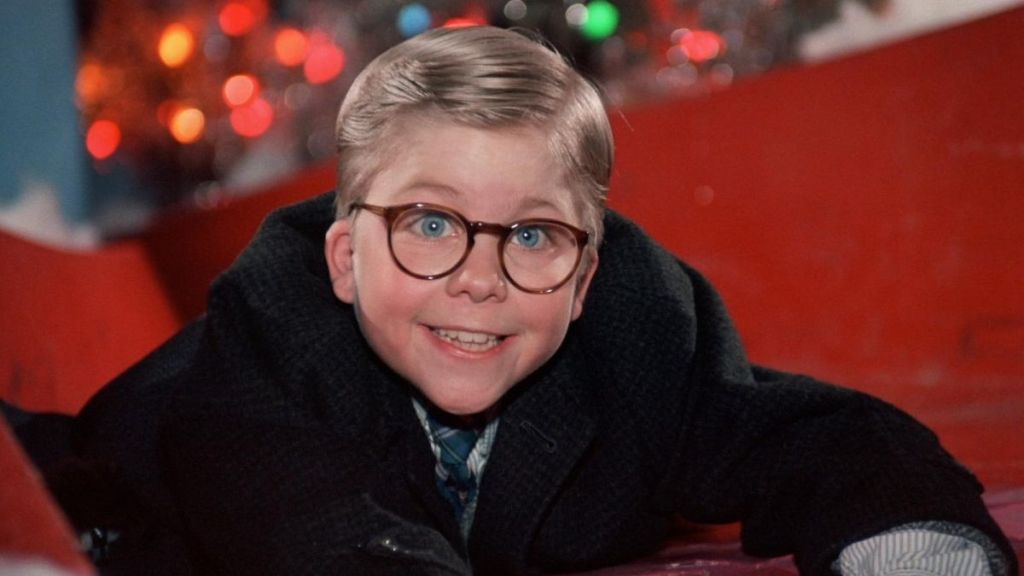
We return to this film year after year because Ralphie reminds us of who we were—and because it’s flat-out funny. In the end, when he nearly does “shoot his eye out,” his parents meet him not with scolding, but with love and quiet acceptance. That grace is what sticks with us. Even when our desires are misguided, there’s someone on the other side who loves us anyway—nurturing our imagination, not condemning it—and giving us the courage to keep dreaming, just a little wiser next time.
 Uncut Diamonds