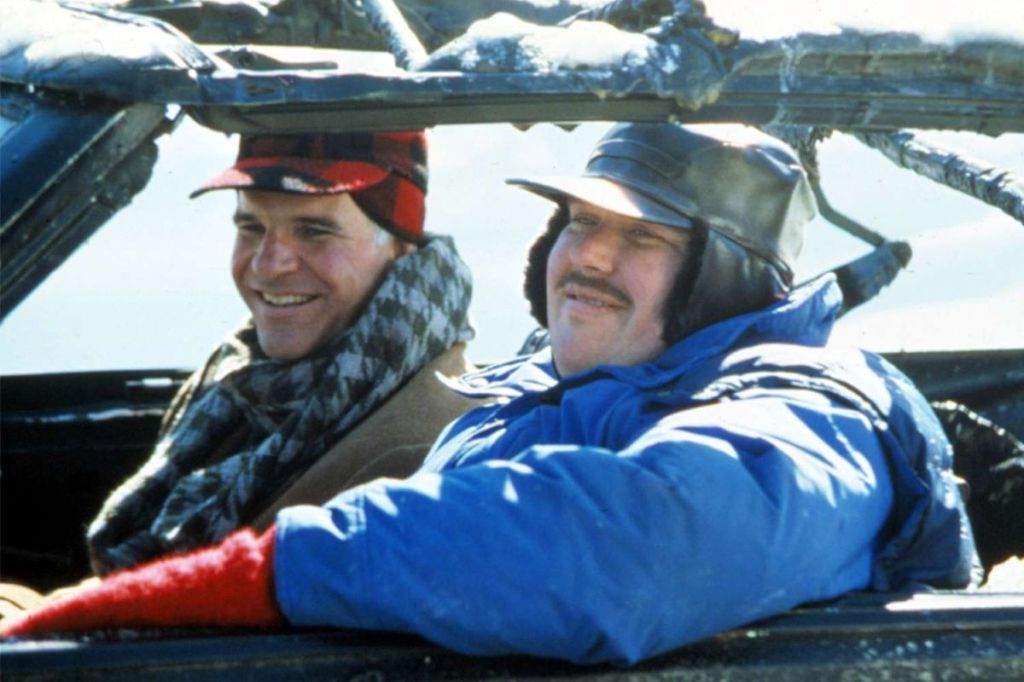
The true magic of certain films springs not from their production values but from their cast’s chemistry and pitch-perfect delivery of dialogue that leaves audiences howling with laughter for decades. When layered with subtle messages that crystallize by the final frame, these movies become timeless. Such is the enduring charm of the holiday classic “Planes, Trains and Automobiles,” starring Steve Martin alongside the late, great John Candy, under John Hughes’ masterful direction.
The Dressing
I confess this wasn’t always my holiday go-to. Only with maturity did I appreciate its brilliance. The story follows Neil Page, a high-strung marketing executive desperate to reach home for Thanksgiving after a business trip runs long. His carefully ordered world collides with Del Griffith, a shower curtain ring salesman whose non-stop chatter and intrusive friendliness represent everything Page abhors. Yet as their disastrous journey unfolds across every mode of transportation imaginable, this seemingly random encounter becomes transformative.
John Candy: The Incredible Foil
As Del Griffith, Candy delivers a masterclass in vulnerability beneath buffoonery. His seemingly random attachment to Page gradually reveals itself as profound loneliness—we learn he’s navigating the holidays without his wife, that raw absence driving his desperate need for human connection. What initially reads as social obliviousness transforms into poignant survival: every shared joke and every unwanted conversation becomes a shield against grief’s undertow during a season that magnifies emptiness.
The Incomparable Holiday Duo
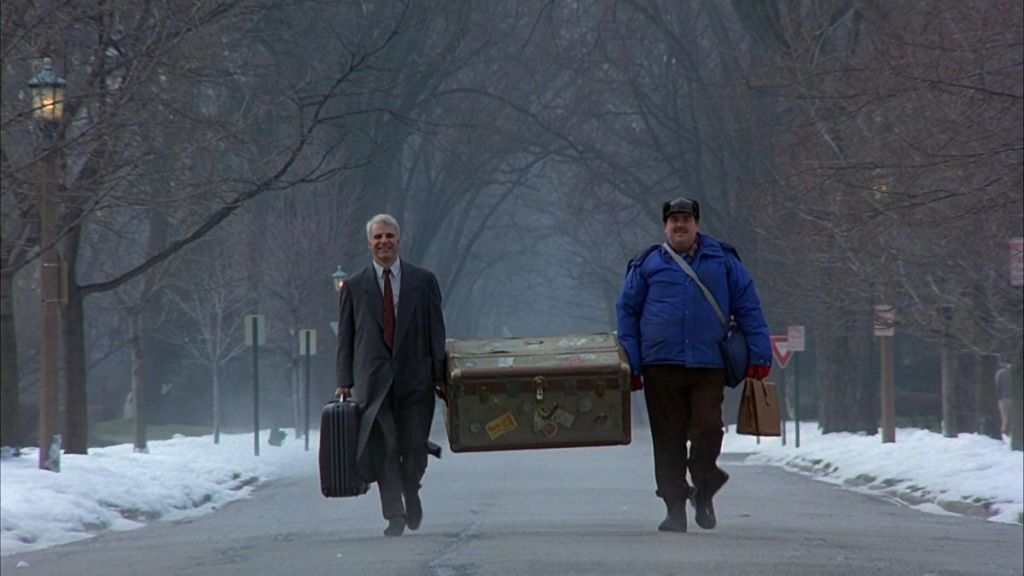
The film balances this emotional weight with impeccable comedy. Martin and Candy’s contrasting energies—one tightly wound, the other expansively chaotic—create perfect comic friction. Their timing feels almost musical, each punchline landing with precision that remains fresh decades later.
Planes, Trains, and Automobiles: What it All Comes Down To
The narrative’s emotional core emerges most powerfully in Del’s motel room monologue. When Page criticizes his annoying habits, Del responds with disarming dignity: “I like me. My wife liked me.” It’s a moment of startling authenticity that forces Page to reconsider his judgment. By the film’s conclusion, when Page finally comprehends Del’s circumstances, the revelation transforms both characters. We witness how simple presence—just being there—can heal wounds we didn’t know existed. Hughes crafts a holiday film that celebrates gratitude without sentimentality, making its emotional impact all the more genuine.
 Uncut Diamonds