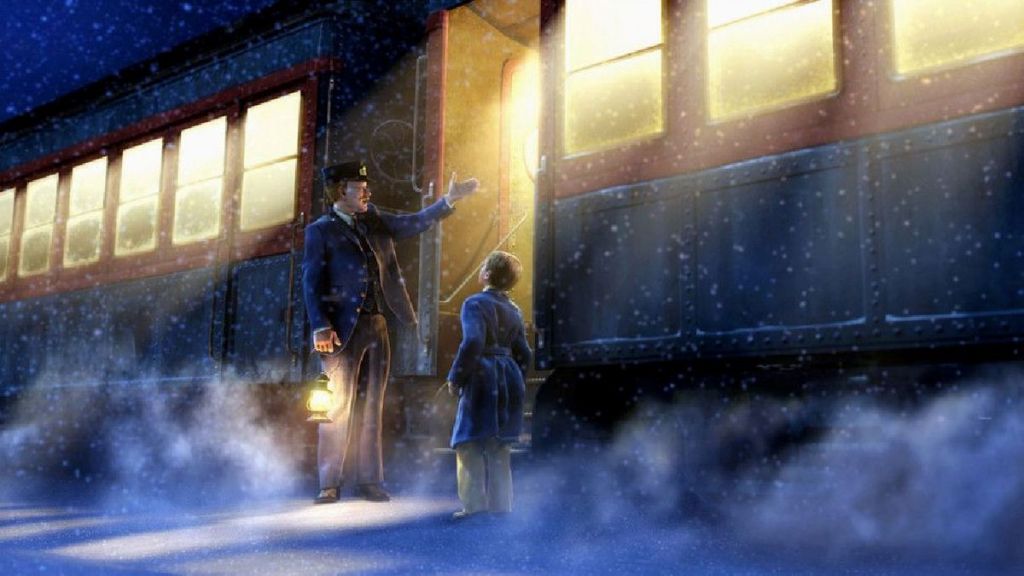
It is the eleventh day in the countdown to Christmas, and today’s festive yet faith-centered review turns to an early-2000s film that has since become a holiday classic: “The Polar Express.”
The film had much working in its favor before the train ever left the station. Robert Zemeckis was at the helm, with Tom Hanks front and center, helping bring the vision fully to life. Together, they created a film that would become both cinematic magic and a seasonal mainstay. Zemeckis’ reputation for inventive storytelling preceded him; early in his career, his work caught the attention of another revered craftsman, Steven Spielberg, leading to one of the most celebrated collaborations in modern film history. Their partnership on “Back to the Future” remains iconic, and as EBSCO notes,
The film’s cultural influence—from skateboarding to the DeLorean’s unlikely status as a cinematic symbol—was immense. Who Framed Roger Rabbit reignited interest in animation, and Forrest Gump pushed the technical boundaries of filmmaking.
Given that lineage, the success of “The Polar Express” was hardly surprising.
Magic and Faith In One Great Gift
Like the film that preceded it in this countdown, “The Polar Express” succeeds not only because of its technical achievements—which are magical in their own right—but because of its message. The story opens with a young boy on the brink of growing out of the wonder that makes Christmas feel alive. As viewers quickly learn, this shift is driven largely by what he is absorbing from the world around him. Newspaper headlines proclaim “Santas on Strike,” and books describe the North Pole as “devoid of life.” Just before midnight, he slips back into bed so his parents will not catch him awake. In his feigned sleep, he overhears them remark that he is so deeply asleep that not even an “express train” could wake him. What sounds like throwaway dialogue is, in truth, a quietly pivotal moment.
Enter the Polar Express
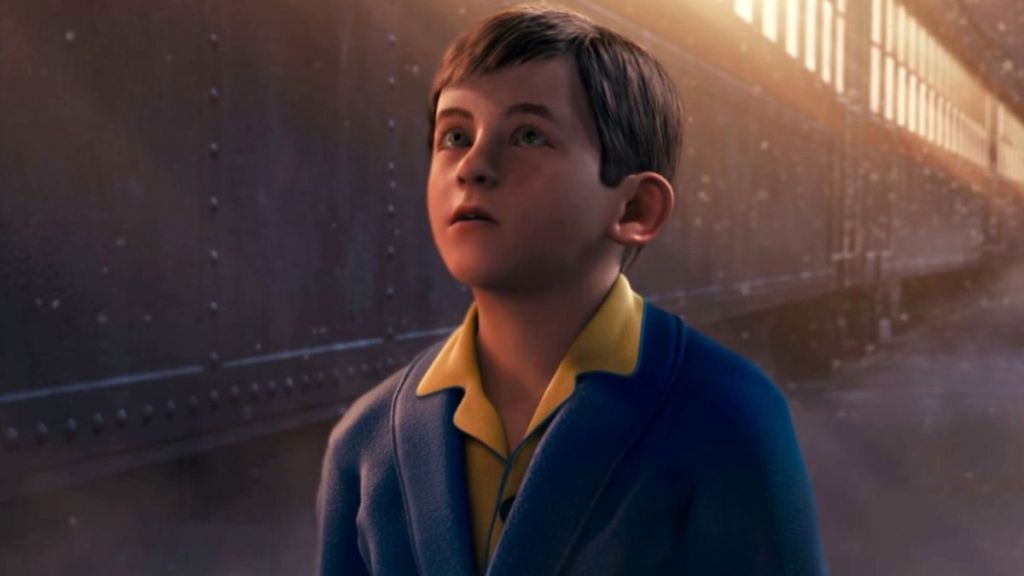
That very train arrives for him. When the Polar Express pulls to a stop outside his home, he is faced with a choice: to board or to stay behind. At the last possible moment, he steps on, launching an adventure that proves as meaningful as it is wondrous. He is not alone. The train carries many children, each drawn there for different reasons. Throughout the journey, they are tested, challenged, and pushed to reflect—each encounter offering the possibility of a lesson that might last a lifetime.
Faith on the Rails
At the heart of the story is the boy’s struggle with belief, specifically in the existence of Santa Claus. The film is rich with music and spectacle, but its true brilliance lies in the conversations along the way—with the mysterious vagrant, his fellow passengers, the conductor, and Santa himself. At one point, he is asked whether “seeing is believing.” Ironically, even when he does see, doubt lingers. After receiving the first gift of Christmas and then losing it, his faith wavers again. Sight alone is not enough to quiet uncertainty.
It is only later, when he witnesses the fulfillment of a promise through one of his fellow passengers, that something shifts. As the train prepares to depart, the conductor leaves him with one of the film’s most enduring lines: “It matters little where the train is going. What really matters is deciding to get on.”
Christmas Morning’s Miracle
Christmas morning arrives, and the boy is awakened by his younger sister. He reaches into his pocket and spills its contents onto the floor before joining his family. The gifts are opened with delight, but one final package stands apart—its origin a mystery even to his parents. Inside is a single silver bell. When he shakes it, it rings clearly, though his parents hear nothing. To them, it is just a trinket. To him, it is everything.
When You Believe
The bell becomes his proof, a reminder that belief is not always born of what can be seen or explained. Sometimes it comes from remembering, from trusting in what has always been true even when doubt creeps in. Much like the spirit of Christmas itself, as long as one chooses to believe, it can never truly be lost—and the bell will always ring.
 Uncut Diamonds