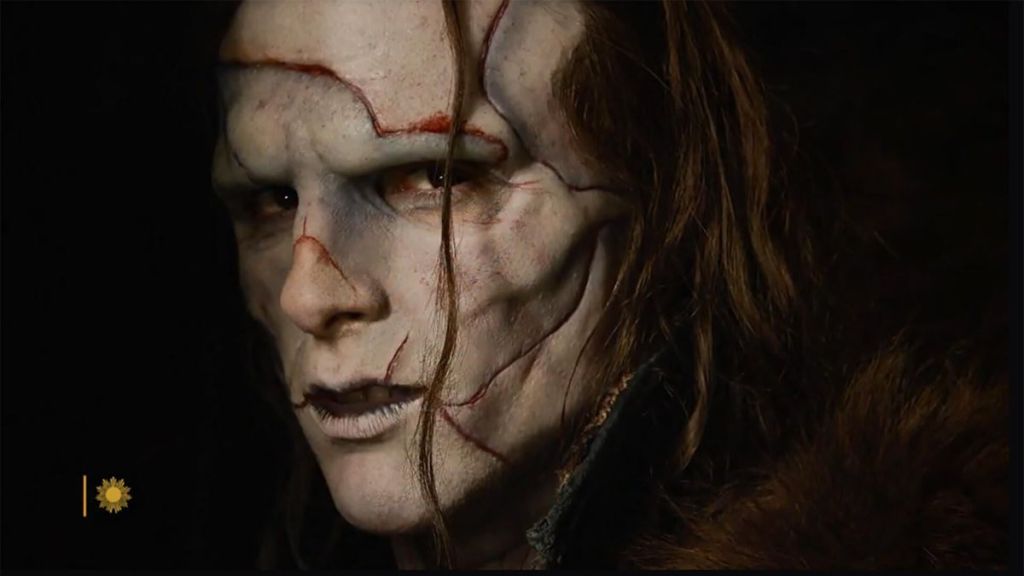
There is nothing quite like a classic—especially when it is realized on the big screen with care and reverence. The true delight lies in seeing a beloved literary work rendered faithfully, in a way that honors the images and emotions long cultivated in the reader’s imagination. Adaptations are always a gamble, but when they succeed, they feel like a gift. Guillermo del Toro’s 2025 cinematic interpretation of Mary Shelley’s “Frankenstein” is precisely that: an artistic triumph.
Another Jewel in Del Toro’s Crown
As a longtime admirer of del Toro’s body of work, the announcement that he would take on “Frankenstein” was thrilling. This story has been adapted countless times, each filmmaker offering a distinct lens through which to explore a narrative that remains remarkably resonant. Themes of isolation, belonging, purpose, and existence continue to echo across generations. Beyond those, the novel grapples with scientific ambition, the fragile boundary between brilliance and madness, spirituality, moral responsibility, and humanity’s impulse to transcend its limits. Few stories contain such thematic density while remaining so narratively rich, making it an ideal candidate for thoughtful reinvention.
No one articulates del Toro’s connection to the material better than the filmmaker himself. As he told Netflix’s Tudum,
“I’ve lived with Mary Shelley’s creation all my life. For me, it’s the Bible. But I wanted to make it my own, to sing it back in a different key with a different emotion.”
That intention is palpable in every frame.
The Infinite Brilliance of Mary Shelley’s Frankenstein
At its core, “Frankenstein” is the story of creation born from obsession. Victor Frankenstein, consumed by the pursuit of reanimation and the conquest of mortality, allows scientific ambition to eclipse moral judgment. Though intellectually equipped to chase his vision, he lacks the ethical grounding to fully comprehend its consequences—until he encounters a benefactor whose outward generosity conceals far darker intentions. From this convergence emerges a being assembled from fragments of others, brought into existence without compassion, foresight, or guidance. His profound difference, compounded by isolation and a desperate longing for connection, ultimately shapes the very monstrosity society assigns to him.
Hitting Every Mark
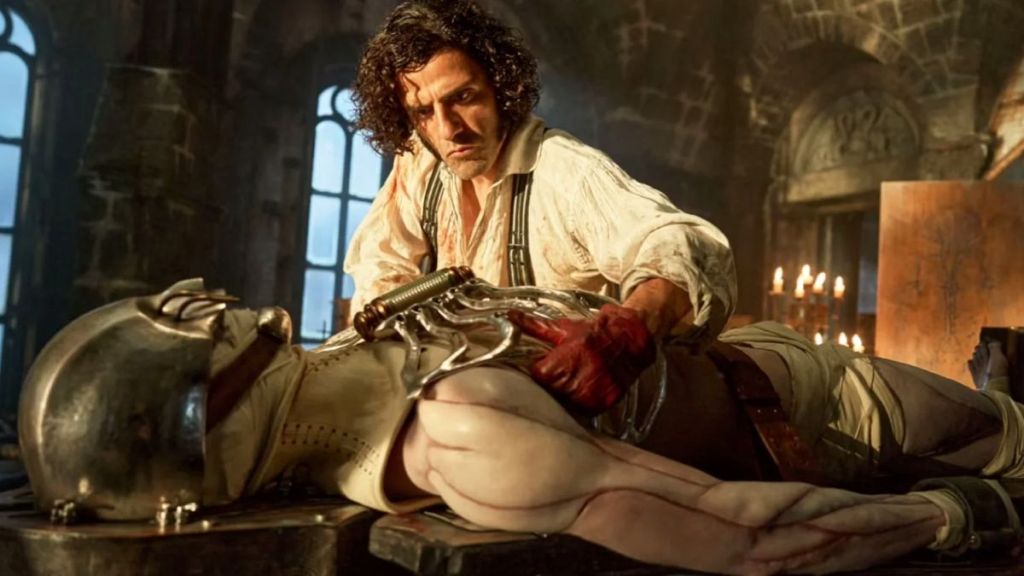
Del Toro’s film excels on multiple levels. Visually, it is stunning—lush, precise, and hauntingly beautiful. The tonal control is impeccable, and the aesthetic cohesion draws the viewer in completely. The dialogue is lyrical yet purposeful, elevated by performances that are both restrained and emotionally charged. The casting is impeccable, but the true revelation is the portrayal of the creature himself. He is simultaneously beautiful and grotesque, tender and violent, passionate and despairing—a fully realized embodiment of Shelley’s tragic creation.
Del Torro’s Frankenstein: An Adaptive Treasure
This is a film to be marveled at. It is immersive, emotionally resonant, and intellectually engaging. I would be remiss not to recommend it, particularly to those who appreciate thoughtful literary adaptations. “Frankenstein” is currently streaming on Netflix, and it is unquestionably a must-see.
 Uncut Diamonds