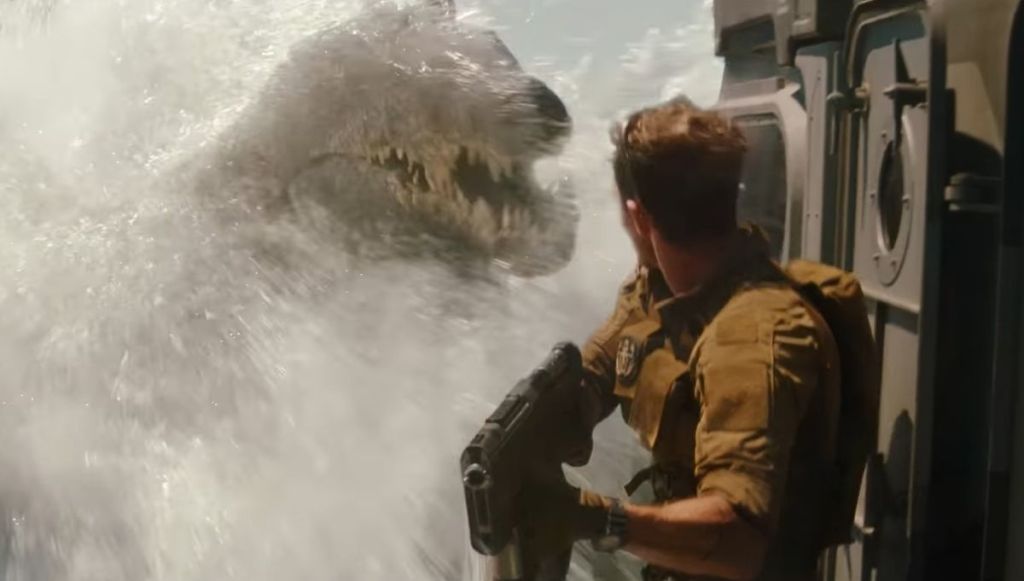
A film is, at its core, a story told through striking images—a medium designed to captivate, to pull viewers in and keep them hooked. Some movies master this art, some nearly reach it, and others fall short. The classic question at the end of any screening—“were you not entertained?”—often overshadows minor flaws, prompting audiences to step back and consider the bigger picture. If a film manages to hold your attention, then at the most basic level, the creators have accomplished their goal. It’s up to critics and analysts to determine how well they did so, and that’s the lens I applied to my recent viewing of the 2025 release, “Jurassic World: Rebirth.”
Lots of Sizzle
This film is exactly what its title promises: an attempt to breathe new life into a franchise that’s already enjoyed massive success. The signature blend of awe and terror—prehistoric beasts colliding with modern civilization—remains irresistible. Like any enduring franchise, those who see its value get on board for the ride, at least until the train finally runs off the tracks. “Jurassic World: Rebirth” marks the seventh installment, though it functions as a fresh narrative picking up where the sixth left off. The logline sets the stage:
“Five years post-Jurassic World: Dominion (2022), an expedition braves isolated equatorial regions to extract DNA from three massive prehistoric creatures for a groundbreaking medical breakthrough.”
Let’s Cook
Fans of previous films will immediately recognize the scale of the threat, but “Jurassic World: Rebirth” also anchors newcomers with enough context to grasp the stakes. The film lays out its objectives clearly: each character arrives with a mission, and the tension escalates as we see what they stand to lose should they fail. The central plot follows Martin Krebs, who is determined to collect samples from the largest and longest-lived dinosaurs—creatures whose DNA could unlock medical secrets. Though his motives appear noble, he’s ultimately driven by self-interest. That’s where the supporting crew enters; Krebs may know what he wants, but he needs others to help him get it.
Serving Up Stakes Medium Rare
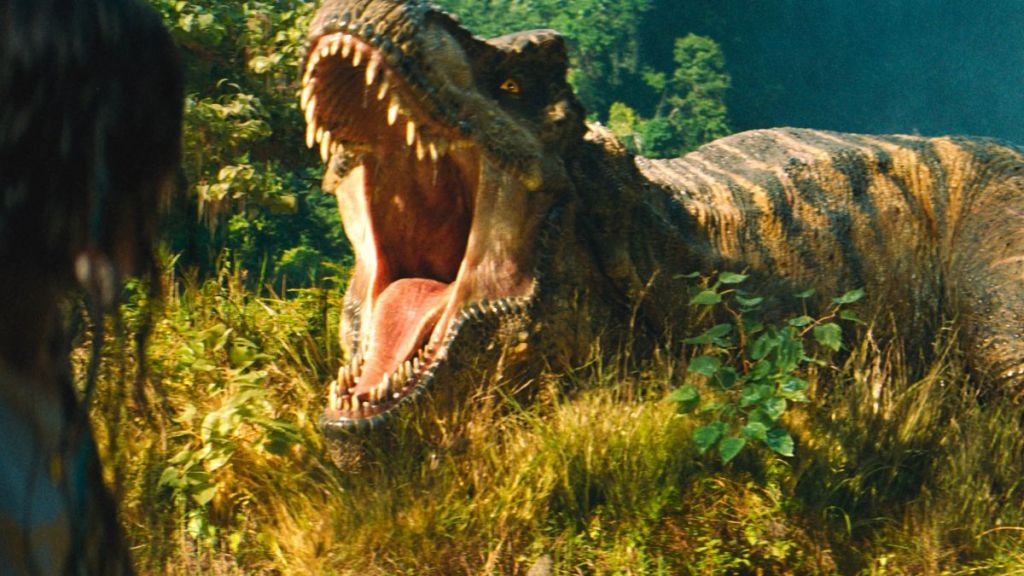
Yet, this setup isn’t new—many of the franchise’s earlier entries share similar stakes. So, what sets “Jurassic World: Rebirth” apart? As in the original, the involvement of innocents multiplies the sense of danger. Here, we’re introduced to a group of four: a father, his teenage daughter, her boyfriend, and a little girl. Their journey gives the story emotional depth. We care about their relationships, worry for the little girl’s safety, and hope the daughter finds the connection she deserves—all under threat from a formidable creature. The crew’s mission intersects with the family’s struggle, giving viewers parallel storylines to invest in. We’re rooting for people on both sides.
For the most part, this works. Dr. Loomis’ passion for his work and genuine care for the creatures humanize him, while Zora and Duncan’s compassion for those in need make them easy to root for. They remind us that the journey matters just as much as the outcome.
The Sizzle Fizzles
But despite its solid foundation, the film pulls its punches. Some objectives are met too easily, and some conflicts resolved without enough struggle. While the movie occasionally stirs real tension, it quickly retreats, seemingly reluctant to truly unsettle its audience. In playing it safe, “Jurassic World: Rebirth” squanders some of its potential and falls short of expectations.
A Familiar Roar: Rebirth Doesn’t Evolve the Franchise
Visually, the film delivers; the story is engaging enough to keep viewers entertained. But ultimately, “Jurassic World: Rebirth” feels like a missed opportunity—it entertains but doesn’t rise to anything truly memorable or special. For those who haven’t yet seen “Jurassic World: Rebirth,” it’s currently streaming on Peacock.
 Uncut Diamonds