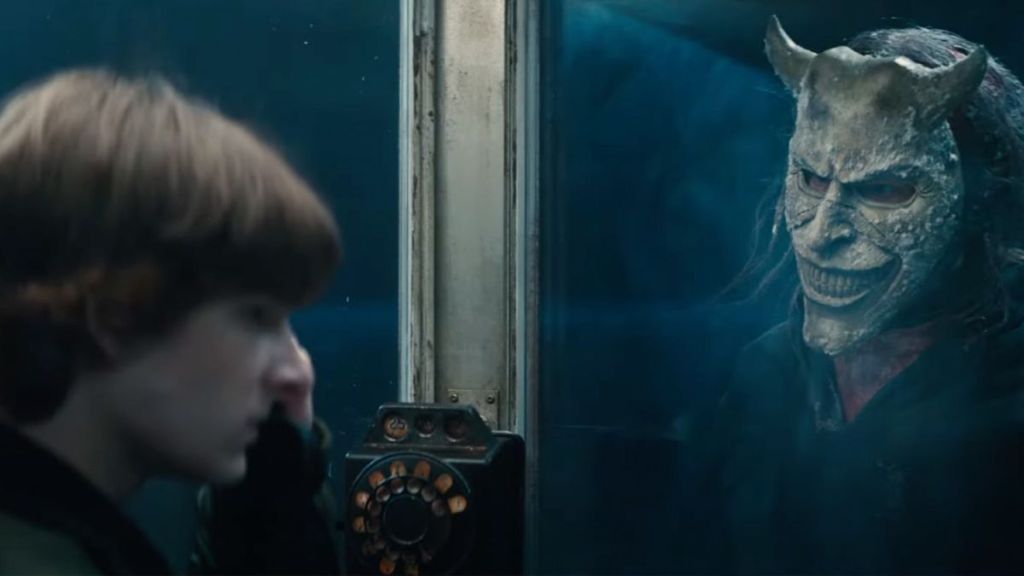
A franchise is a story told in multiple installments, and the stronger the interconnectedness between those parts, the more cohesive the franchise becomes. Ideally, viewers should be able to connect the narrative dots without excessive effort. Some franchises achieve this balance exceptionally well. “The Black Phone” series offers a recent and effective example of a tightly connected narrative sustained across two films.
Defining a Franchise
As defined by Fiveable, franchise filmmaking involves creating a series of related films that share a common narrative universe, characters, and themes, typically built upon the success of an original entry. “The Black Phone” was, by most accounts, an unexpected success. It fused supernatural and grounded horror elements, presenting a grim duet between a serial killer known as “The Grabber” and his uniquely resourceful victim, Finney. Finney’s abduction ultimately marks the beginning of the end for the killer, as a mysterious black phone—serving as a conduit between worlds—becomes instrumental in dismantling a sadistic monster.
Black Phone: The First Call
While the film was marketed as a horror-thriller, it leaned more heavily into the thriller category, with horror functioning in a more elemental capacity. Nevertheless, the execution proved effective. Its success was undeniable: as a CNBC article published in August 2022 noted, after surpassing $150 million in global box office revenue, “The Black Phone” became the third-highest-grossing horror film released since 2020, trailing only “A Quiet Place: Part II” and “The Conjuring: The Devil Made Me Do It. ” With that level of success, a sequel was all but inevitable.
Strength in Source
Part of the film’s strength may stem from its source material. “The Black Phone” is adapted from a work by Joe Hill, an author well regarded for his storytelling craft. Whether the film’s success can be attributed to strong literary foundations or to Scott Derrickson’s ability to refine and elevate narrative material, the result was clear: a compelling first installment that paved the way for the 2025 sequel, “Black Phone 2.”
Black Phone 2: Call Back to Terror
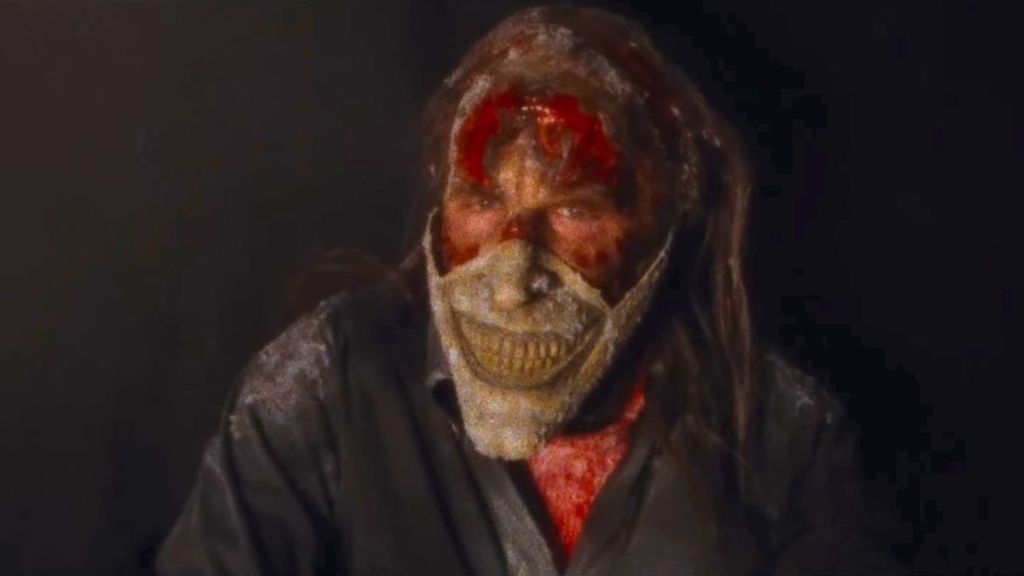
“Black Phone 2” resumes the story where the original left off, transporting viewers several years into the future. Although Finney has escaped his physical captivity, he remains haunted by psychological and supernatural trauma. The sequel not only advances the timeline but also deepens the narrative’s connection to the past, introducing critical context that clarifies and grounds the supernatural elements. In doing so, the film strengthens narrative continuity while leaning more decisively into horror, amplifying the genre elements that were more restrained in the first installment.
Analyzing Tensile Strength
The film’s strengths lie in its character development, cinematography, narrative cohesion, and expanded use of horror. The boogeyman figure is no longer a perceived monster but real, his authenticity sealed by reason of transmutation from the physical to the spiritual, inviting comparisons to the construction of a horror legend such as Freddy Krueger. The sequel functions as an origin story on multiple levels, charting both the inheritance of a supernatural gift and the evolution of a monster.
Pinpointing the Point of Weakness
That said, the film is not without its shortcomings. One notable weakness lies in its handling of liminal space. The attempt to depict two coexisting worlds on the same plane is ambitious but uneven, resulting in moments of narrative friction. While the effort is commendable, execution occasionally falters. Additionally, the emphasis on spiritual and religious themes—Christianity, Heaven, Hell, Catholicism, and possession—does not consistently serve the story. These elements often feel imposed rather than organic, at times pulling viewers out of the narrative. Still, they function more as minor disruptions than fatal flaws.
High Wire Act and Probability of an Encore
The conclusion of “Black Phone 2” is emotionally resonant and largely satisfying, positioning the film as a viable endpoint for the franchise. Yet it leaves just enough ambiguity to suggest the possibility of continuation. Director Scott Derrickson addressed this uncertainty in an October interview with Polygon, noting that he approaches each film as though it may be his last and that the sequel was designed to feel complete. As of now, no discussions have taken place regarding a third installment.
For audiences eager to return to this unsettling universe, the future of The Black Phone remains a matter of patience—and possibility.
 Uncut Diamonds