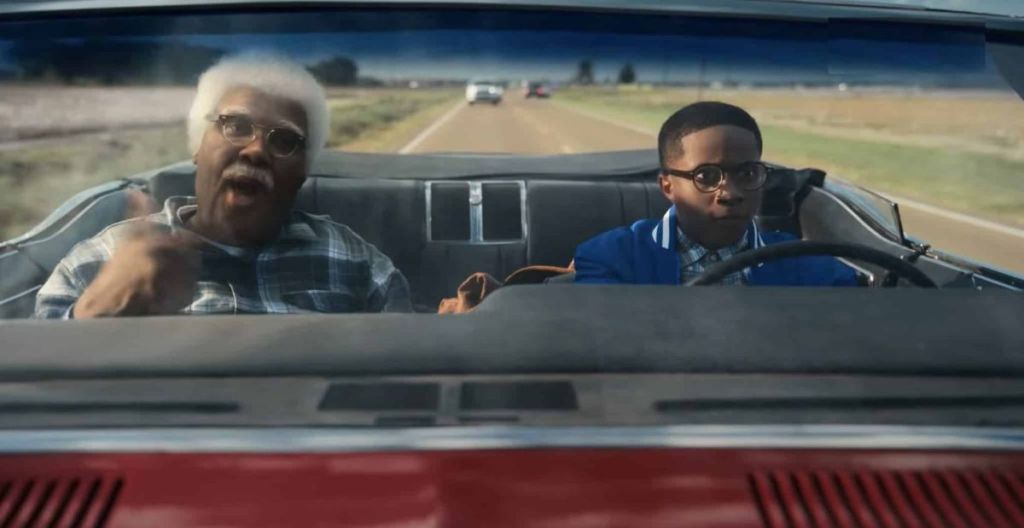
At times, certain projects become liabilities within a creative’s broader portfolio. Though conceived with intention, they lack the narrative cohesion or thematic rigor necessary to command meaningful commendation. Such is the case with “Joe’s College Road Trip,” the 2026 feature from Tyler Perry.
Defining Legacy
With each production, Perry continues to shape a legacy—an evolving portrait of personal vision and entrepreneurial artistry. Debate persists regarding the artistic merit of portions of his catalog, yet art remains inherently subjective; there is no fixed metric by which one measures creative legitimacy. What resonates with one audience may alienate another. However, subjective reception does not preclude critical analysis of structure, tone, and execution.
Uncle Joe Front and Center
This latest installment centers on Uncle Joe, the profane and irascible brother of Madea—a character Perry also portrays. Historically relegated to a secondary role, Joe functions as a comedic counterbalance, providing abrasive humor intended to sharpen the franchise’s edge. In this outing, he is elevated to primary focus.
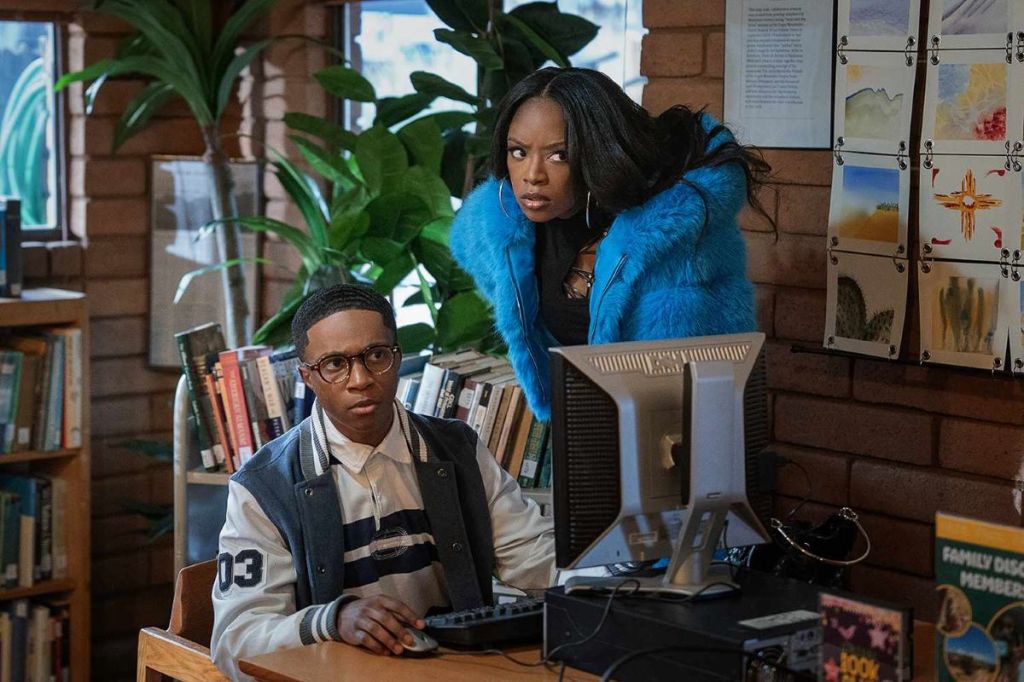
The narrative premise revolves around Joe’s son (Brian), who becomes alarmed by his own child’s apparent detachment from Black cultural history and institutions. The grandson’s (BJ’s) dismissive attitude toward historically Black colleges and universities (HBCUs) serves as the inciting conflict. In frustration, the father seeks counsel from Madea, whose advice—predictably unfiltered and one-sided—proves unhelpful. Desperate, he turns to Joe, tasking him with taking the young man on a cross-country road trip. The objective is corrective: to immerse the grandson in cultural touchstones and recalibrate his understanding of identity, heritage, and communal legacy.
Temperature Check
What unfolds is a raucous, stereotype-laden odyssey. Joe, characterized as a former pimp, introduces his grandson to an exaggerated version of his past life. While the journey intermittently intersects historically significant sites and references pivotal cultural events, the execution is undermined by excessive bawdiness and sensationalism. The vulgarity does not amplify the message; instead, it dilutes it.
A recurring critique of Perry’s work is its tendency toward excess—heightened characterization, broad comedic strokes, and melodramatic dialogue. If that critique is applied here, this film exemplifies it. The tonal imbalance is striking. The grandson is portrayed as academically gifted—intelligent enough to secure admission to institutions such as Morehouse College or Pepperdine University—yet simultaneously depicted as astonishingly ignorant of basic social realities and foundational elements of Black history. This dual characterization strains plausibility and undermines narrative credibility.
Further Than the Rabbit Hole
The script positions his ignorance as a device to facilitate historical exposition—references to lunch counter protests, Emmett Till, and other indelible moments in cultural memory. These references carry weight and demand careful framing. Yet here, their incorporation feels less instructive and more exploitative, as though gravity is subordinated to shock value and comedic provocation.
Health Analysis: Tyler Perry’s Joe’s College Road Trip
Ultimately, the film registers as tone-deaf. Any intended message regarding heritage, identity, or generational disconnect is overshadowed by exaggerated inconsistencies, recycled stereotypes, and gratuitous salaciousness. As both viewer and critic, it is not a project I could conscientiously endorse.
That said, art remains subjective. There is undeniably an audience for ribald, unapologetically unfiltered humor. For viewers inclined toward that sensibility, the film is currently streaming on Netflix.
 Uncut Diamonds