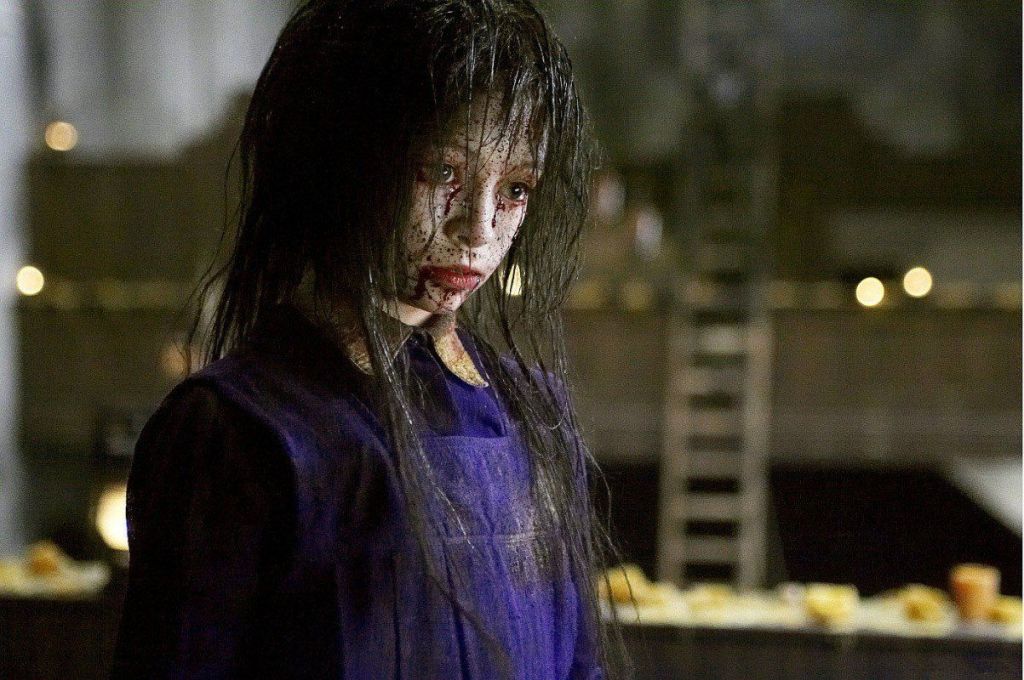
Some films seem to elude my gaze. I am never quite certain whether it is the faint illusion that I have seen them before, when in fact I have not, or whether, at the time, they simply did not appeal. Yet some works return to the forefront. This particular film has lingered in my thoughts, perhaps prompted by the recent announcement of Return to Silent Hill. With that in mind, I finally set forth to watch Silent Hill.
Welcome to Silent Hill
Released in the early 2000s, Silent Hill occupies a distinctive place within horror cinema. It can be categorized as occult horror, firmly entrenched in cult iconography and theological extremism. At its core, this is the story of a city damned by its actions—misplaced faith, blind allegiance, and leadership warped by fanaticism.
The narrative scaffolding is conventional: establish mystery, propel the protagonist forward, then immerse the audience in the central conflict. The opening is not particularly strong because it lacks grounding; it trades emotional immediacy for enigma. We are introduced to a young girl named Sharon, plagued by somnambulistic nightmares that repeatedly point to one place—Silent Hill. Her mother, Rose, desperate to soothe what afflicts her daughter, journeys to uncover the meaning behind this ominous refrain.
Faster Than a Speeding Bullet
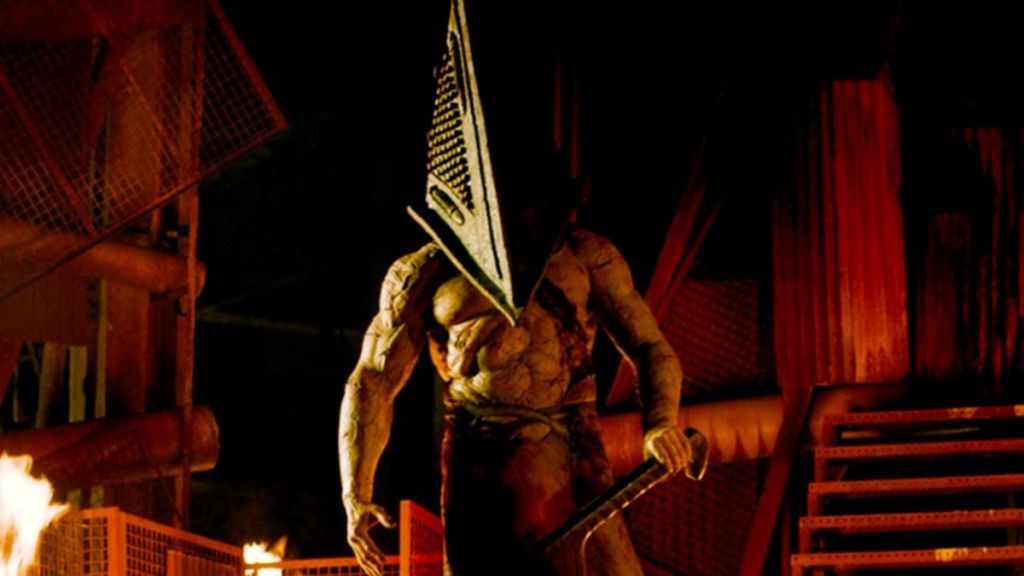
The film wastes little time transporting us there. Once inside the town’s borders, the tone shifts rapidly from uneasy to harrowing. The horror strikes at full speed—grotesque imagery, monstrous apparitions, and an almost relentless barrage of the seen and unseen. This unflinching visual aggression becomes one of the film’s defining attributes. Rose loses Sharon upon arrival, and her singular objective—to find her child—propels her through a violent, disorienting, and increasingly infernal landscape.
Resolution has arrived. Rose discovers what led her there, and the narrative closes with a conclusion that is sufficient, if only moderately satisfying. Yet it is clear the story does not end there; the allusion to continuation is deliberate, laying the groundwork for franchise expansion.
The Critics Have a Word
Initial critical reception was mixed. Some argued that the story was too thin to justify its elaborate construction—that the emotional and thematic depth did not equal the time invested in reaching its core. However, where the screenplay may have faltered for some, the technical craftsmanship drew widespread acknowledgment. A review from RogerEbert.com noted that it is “an incredibly good-looking film,” praising director Christophe Gans for creating something that resembled an experimental art film as much as a horror feature. Cinematographer Dan Laustsen, production designer Carol Spier, and the broader art and costume teams were credited for constructing a fully immersive, surreal environment.
That sentiment was echoed by IndieWire, which described the film as a “genuine triumph” as a pure visual experience, emphasizing its rusted corridors, damp streets, and debris-filled interiors laden with occult artifacts. On this point, I concur wholeheartedly.
Silent Hill’s Wins
This is a film whose appeal rests heavily on atmosphere. Its production design and visual texture do much of the narrative labor. The town itself becomes a character—oppressive, corroded, and spiritually diseased. The tone commands attention and sustains tension even when the script wavers.
The Final Say
Ultimately, I found the film entertaining and engaging. I was invested in the mystery and compelled by the discovery. It raised questions and nurtured a desire to know more—an essential function of effective storytelling. For horror enthusiasts who are not deterred by bold creature design and narratives that invite contemplation, Silent Hill is worth the time.
 Uncut Diamonds