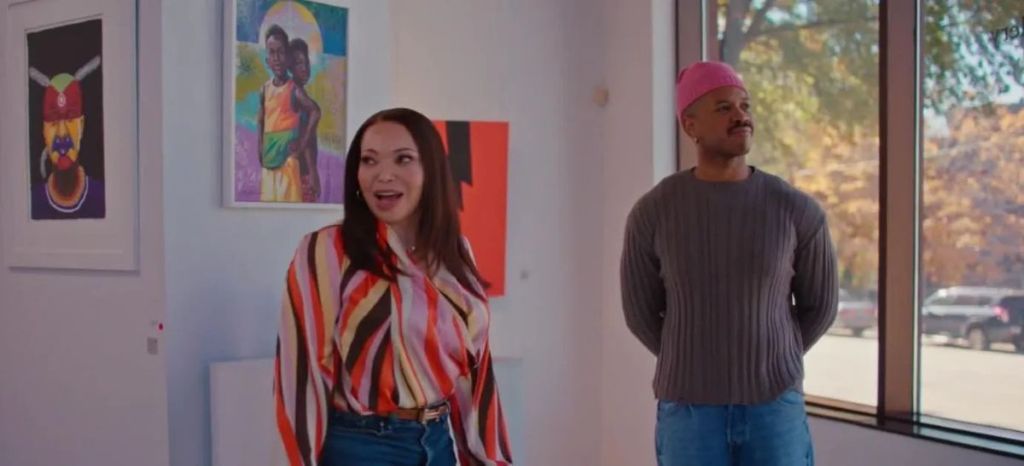
Mary J. Blige, long regarded as the reigning queen of R&B, has continued to prove that her artistry extends far beyond music. In recent years, her creative reach has expanded into television and film, where her influence remains just as resonant. For her fans, Blige’s music has always been transformative—her lyrics serving as both mirror and medicine. Now, those same emotional throughlines find new life on screen. Lifetime’s latest release, Be Happy, stands as a clear example of that evolution.
Be Happy
Be Happy was announced earlier this year as part of a three-picture deal Blige signed with Lifetime, continuing a series that includes films inspired by her earlier hits Real Love and Family Affair. The project generated interest not only because of its musical origins but also due to the creative team and cast attached.
The Heart of the Story
The story centers on Val, played by Tisha Campbell, a woman confronting the emotional reality of an empty nest while hoping to revive the dreams she once held for her marriage. Instead, she finds herself navigating a relationship strained by miscommunication and emotional distance. Faced with stagnation, Val makes a bold decision—one that pushes her beyond her comfort zone and sets her on a path toward rediscovering her sense of happiness.
Along the way, a new romantic possibility emerges in the form of a character portrayed by Mekhi Phifer, forcing Val to confront difficult questions about love, self-worth, and what is truly worth holding onto. With her husband, played by Russell Hornsby, still part of the equation, the narrative becomes a layered exploration of choice, growth, and emotional clarity.
Favorable Mechanics
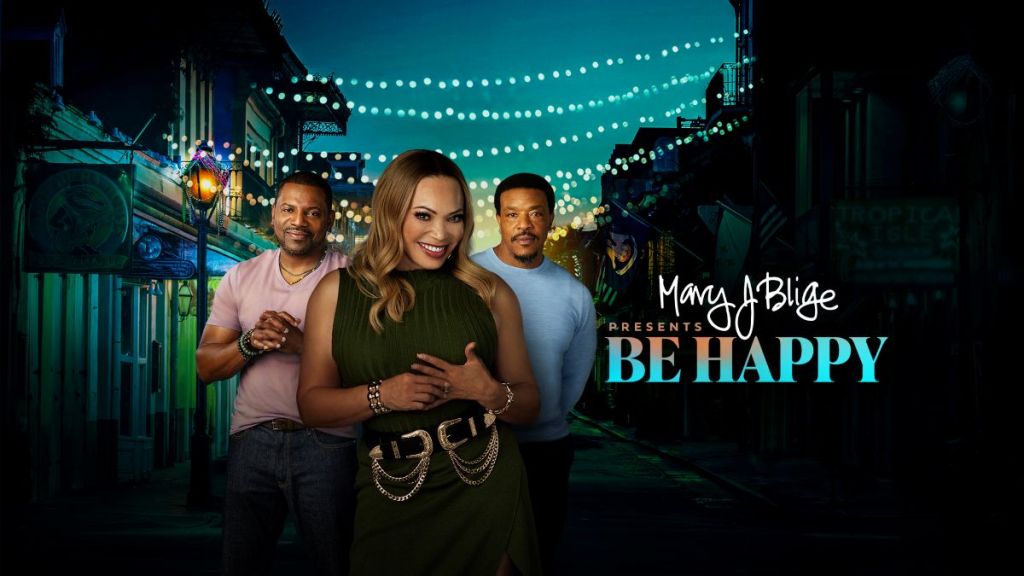
Running at approximately 90 minutes, Be Happy firmly situates itself within the drama-romance genre. Campbell, Hornsby, and Phifer deliver grounded and effective performances, each actor embracing the emotional depth of the material. The film establishes its stakes clearly—Val’s desires are defined, the central conflict is evident, and the opposing forces within her personal life are easy to track.
Between Conviction and Plausibility
That said, the film is not without its shortcomings. Despite a compelling premise and strong performances, there are moments where the narrative structure feels uneven. Certain developments appear slightly forced, at times straining plausibility. While necessary to advance the plot, some of Val’s decisions feel misaligned with what one might expect in a more organic, real-world progression. As a result, the transitions between key moments occasionally lack the fluidity needed to fully sustain immersion.
Even so, the film remains an engaging watch. It successfully captures the emotional essence of Blige’s original song, ultimately delivering a message centered on self-discovery, self-love, and the importance of choosing a life that aligns with one’s true needs. Rather than sacrificing oneself for the sake of a relationship, Be Happy encourages the pursuit of a love that meets you where you are.
The Final Report
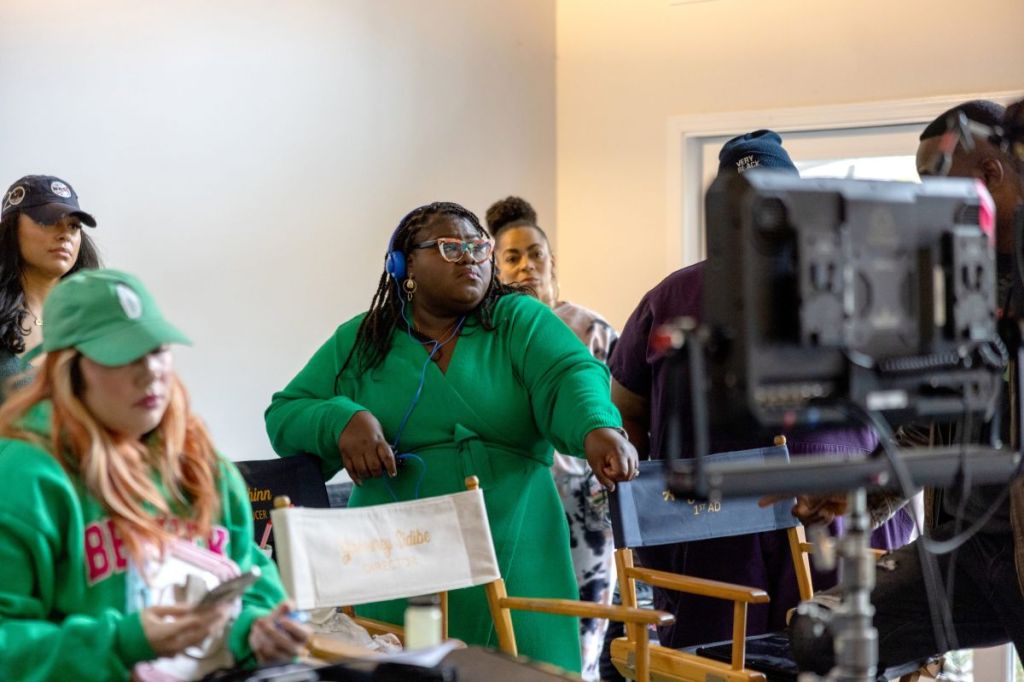
In the end, Be Happy stands as a solid addition to Blige’s growing catalog of film-inspired storytelling. Director Gabourey Sidibe deserves recognition for her vision in bringing the project to life. For those who have yet to see it, the film is currently streaming on Lifetime and offers a thoughtful, emotionally driven experience rooted in one of Blige’s most enduring themes.
 Uncut Diamonds