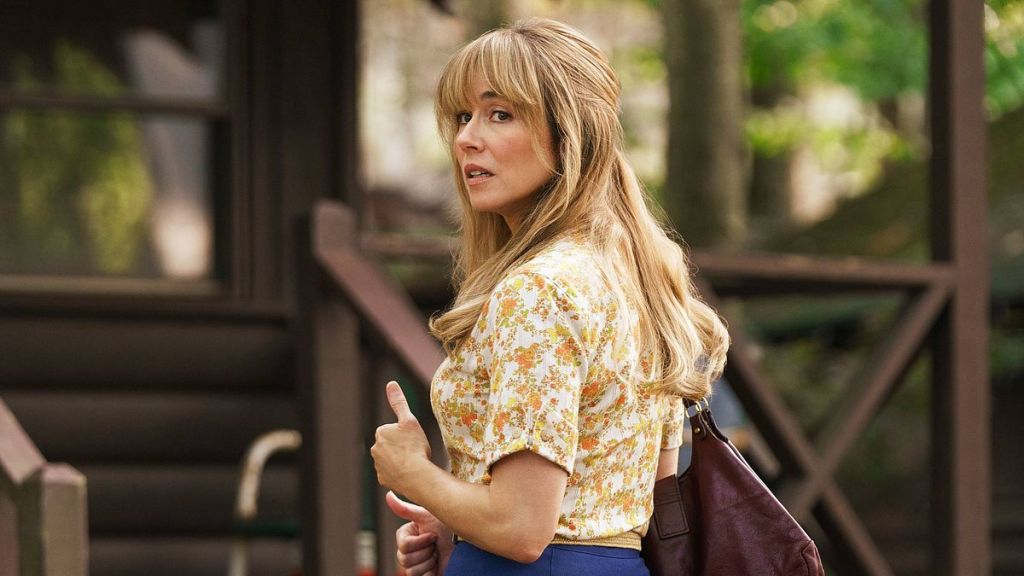
Some works earn their distinction through craftsmanship, devotion to story, strong plotting, meaningful character development, immersive world-building, and an ability to keep audiences engaged. When those elements come together, they rarely go unnoticed. The same can be said of Crystal Lake, the prequel series to the long-running Friday the 13th franchise.
A Franchise Born From Horror History
There is no doubting that Jason Voorhees earned his credibility as one of horror’s most iconic slashers. Inspired in part by Michael Myers, Jason would go on to become one of the most recognizable figures in horror history.
Of course, neither Jason nor Friday the 13th arrived as the polished cultural phenomenon audiences would eventually embrace. Like many productions in their earliest stages, the franchise underwent its share of growing pains before finding its identity. Per CinemaBlend,
“In an oral history on the making of Friday the 13th published in 2015 by Uproxx, Victor Miller claims that he is ‘a terrible title maker’ before confessing that his working title for the film was Long Night at Camp Blood, which is a reference to the nickname local townsfolk give to Camp Crystal Lake for its deadly history.”
Fortunately, the title would not remain. Research has credited Sean S. Cunningham with recognizing the marketing potential of Friday the 13th, a name that was far more immediate, memorable, and marketable than the project’s original working title. That decision helped establish an identity audiences would recognize for decades.
Once the film reached theaters, the story continued. Sequel after sequel expanded the mythology of Camp Crystal Lake, transforming what began as a modest slasher film into one of horror’s most enduring franchises. Decades later, Crystal Lake arrives not simply as another chapter, but as an exploration of the foundation upon which that franchise was built.
Giving New Life to an Old Story
Not everything that comes back from the dead is unwelcome.
While some revivals are met with skepticism, others manage to exceed expectations. Crystal Lake succeeds because it does something the franchise has rarely attempted. It tells a story that feels unfamiliar while remaining firmly rooted in the lore fans already know.
The original film offered only a glimpse into Jason’s origins. Audiences learned enough to understand why his presence haunted Camp Crystal Lake, but much of his story existed only in fragments. Jason’s motivation was straightforward. Pamela Voorhees’ murder became the driving force behind his pursuit of vengeance. As the franchise expanded, however, the mythology became increasingly complex.
One of the recurring questions surrounding the series was not merely Jason’s apparent immortality but his physical form. Fans understood that Jason had drowned as a child. If that was the case, why had he returned in a form so different from the boy he once was?
The films never truly needed to answer that question in order to continue. What audiences understood was enough. Jason had no tolerance for anyone trespassing on the grounds of Crystal Lake. His rage was limitless, and anyone foolish enough to venture onto those cursed campgrounds was effectively signing their own death certificate. They were doomed the moment they arrived.
Building the Foundation
What Crystal Lake does so effectively is provide context. The series expands the mythology by building a stronger foundation beneath the horror. Although much of the story focuses on Pamela Voorhees and the events that brought her to Camp Crystal Lake in the first place, it simultaneously deepens Jason’s character in ways the films rarely attempted. For perhaps the first time, viewers begin to understand not only who Jason is, but why he is. That matters.
By investing in the emotional core of the story, the creators transform a familiar horror icon into something more complex. The audience is given an opportunity to empathize with Jason rather than merely fear him.
Why We Root for the Monsters
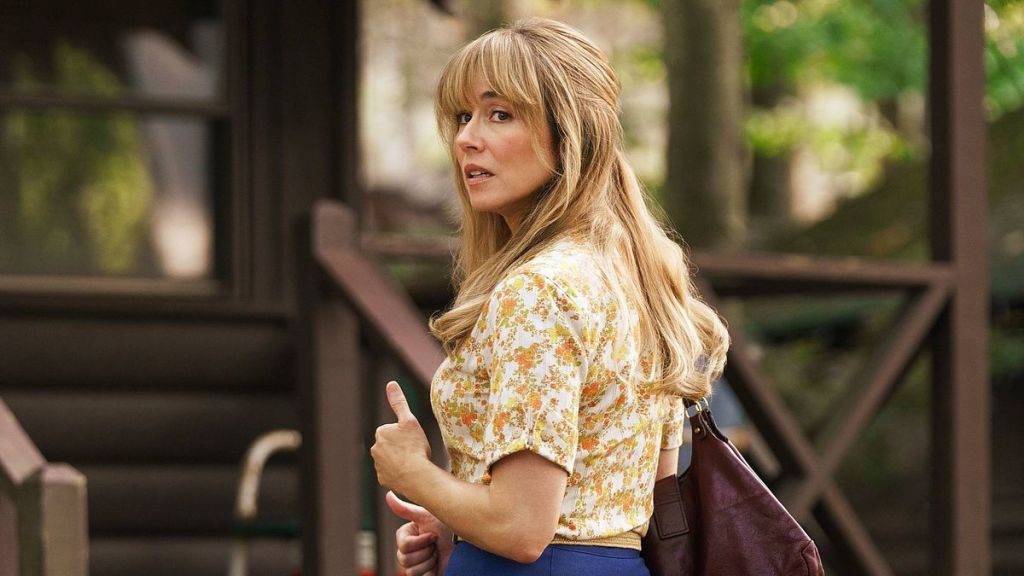
The series makes excellent use of the “Save the Cat” storytelling technique.
Early on, it earns goodwill for Jason and gives viewers a reason to invest emotionally in his fate. We find ourselves rooting for the monster because we understand his circumstances, sympathize with his suffering, and mourn the tragedy of his death. At the same time, the series carefully develops Pamela Voorhees.
Rather than portraying her as a one-dimensional killer, Crystal Lake embraces the contradictions that make her compelling. She is capable of terrible things, but she is also grieving. She is a victim. She is a mother. She is an agent of vengeance. Those layers create complexity.
By the end of the series, viewers may find themselves overlooking the horrific acts she has committed because they have become emotionally invested in her journey. Against all logic, they want her to succeed. They are rooting for both mother and son.
Respecting the Legacy
One of the show’s greatest strengths is its ability to connect organically to the existing franchise without undermining what came before. Thoughtful Easter eggs help viewers establish where they are within the larger timeline. One particularly effective example is the grocery sack Jason uses to conceal his disfigurement, a clear reference to the sack mask he would later wear in Friday the 13th Part 2. These details reward longtime fans while remaining accessible to newcomers.
A Series That Understands Storytelling
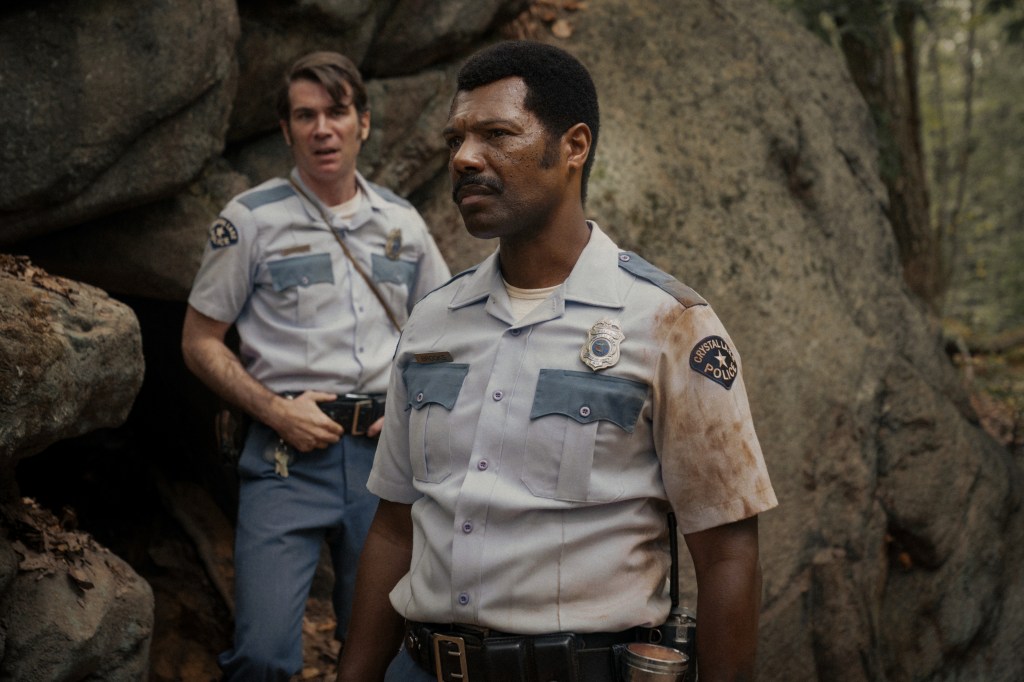
The atmosphere works. The performances are strong. The costuming feels authentic to the period and setting. The makeup department delivers some of its best work, creating a visual experience that feels both grounded and unsettling. More importantly, the series understands the fundamentals of storytelling.
There is a character with a goal facing meaningful opposition. There is a clear beginning, middle, and end. The narrative establishes a new normal, delivers a compelling inciting incident, escalates conflict, reaches an effective climax, navigates the inevitable dark night of the soul, and arrives at a satisfying conclusion. Simply put, Crystal Lake contains all the ingredients of a great series.
A Worthy Resurrection
Whether intentional or not, Crystal Lake may have accomplished something many franchise prequels fail to achieve. It has expanded the mythology while strengthening the emotional connection audiences have with its central characters. Rather than relying solely on nostalgia, it provides meaningful context to a story that horror fans have followed for decades. For a franchise built on tragedy, vengeance, and resurrection, that may be its greatest achievement. For those who have yet to see Crystal Lake, it is currently streaming on Peacock. This is one horror revival fans will not want to miss.

