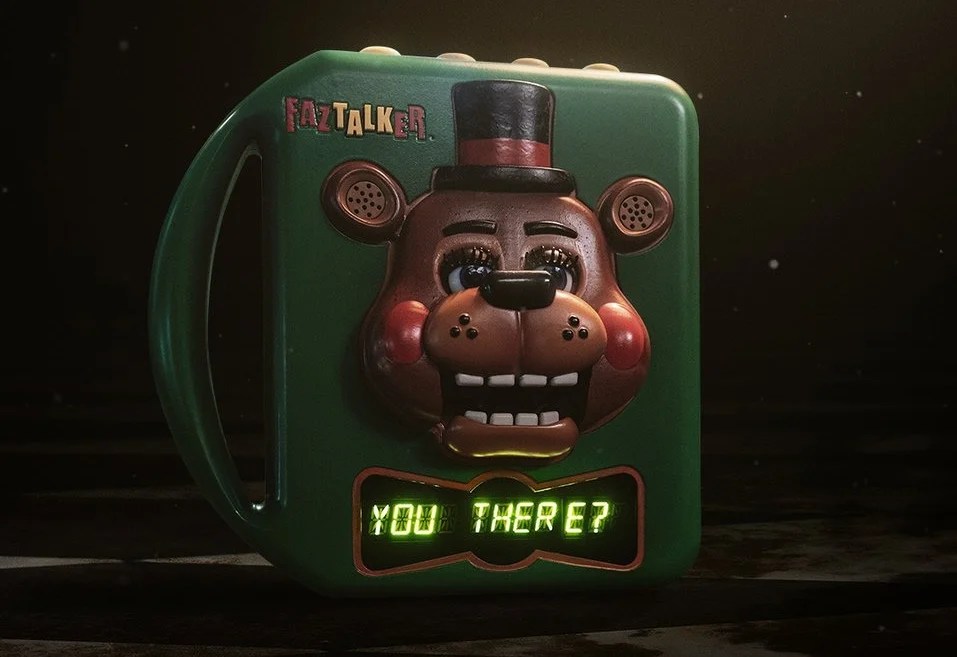
When I first heard of Five Nights at Freddy’s, my curiosity was piqued, though I’ll admit I had my reservations. It wasn’t so much that it was based on a popular video game—that didn’t bother me. What gave me pause was the fact that the antagonists were a gaggle of animatronics. I’d seen a few other films where animatronics served as the monstrous elements, and more often than not, they pushed the movie squarely into “B-movie” territory. So, my expectations weren’t exactly sky-high going in.
Still, I decided to give it a fair shot and form my own impression. That decision paid off. I walked away from FNAF, feeling pretty satisfied with the narrative overall. Even so, a certain ambivalence lingered, and when the announcement came that there would be a FNAF Two, I wasn’t sure what to expect. True to form, though, I watched the sequel to see how it stacked up. Let’s just say my takeaways from the second film weren’t quite the same as from the first.
The Lore Behind the Frights
One thing FNAF has going for it is a rich, extensive backstory that gives the films a solid foundation to build on. According to Comic Book, the origin story dates back to 1973, when business partners William Afton and Henry Emily launched Fredbear’s Family Diner. Henry was the creative genius, bringing his springlock technology to the animatronics, while William handled the business side and customer relations.
By 1983, the franchise had expanded with the opening of Freddy Fazbear’s Pizza. Fredbear and Bonnie were remade for the new location, and Chica and Foxy joined the band. These animatronics mostly stood stationary on stage, performing their catchy numbers for eager crowds of kids and families.
Later, Henry created “the marionette” for a very specific purpose. Tragically, that purpose failed, and the soul Marionette was meant to protect became intertwined with it. This made Marionette the first haunted animatronic, a chilling development that set the stage for much of the horror to come. Of course, the lore continued to expand from there, weaving an intricate web of tragedy, mystery, and supernatural terror.
FNAF One: A Solid Foundation
The first FNAF film zeroed in on the animatronics—excluding the Marionette—whose behavior grew increasingly unsettling as the story progressed. These weren’t your typical mechanical entertainers; they had taken on a life of their own and posed a genuine threat, especially to children.
At the heart of the film was the mystery of a missing child, a case that traced back to Freddy’s Diner. Like any good thriller, the mystery deepened layer by layer until the horrifying truth was finally revealed. From there, the only thing left to do was stop the evil from spreading.
With its compelling hook and eerie exploration of child abduction, sadistic motives, and afterlife possession, FNAF One delivered a relatively solid horror experience. That said, the film drew some criticism for lacking the visceral terror that seasoned horror fans crave. It played more like a spooky story designed to unsettle younger audiences rather than a full-throttle fright fest. As a 2023 article from the BBC relays.
“Critics have praised the film’s animatronics and its attention to small details from the games. But they’ve been less kind about its story and the level of horror.”
At the time, I was in full agreement. The film felt a bit amateurish in its approach to horror—but that opinion would shift after watching the sequel.
FNAF Two: New Spirits, New Dangers
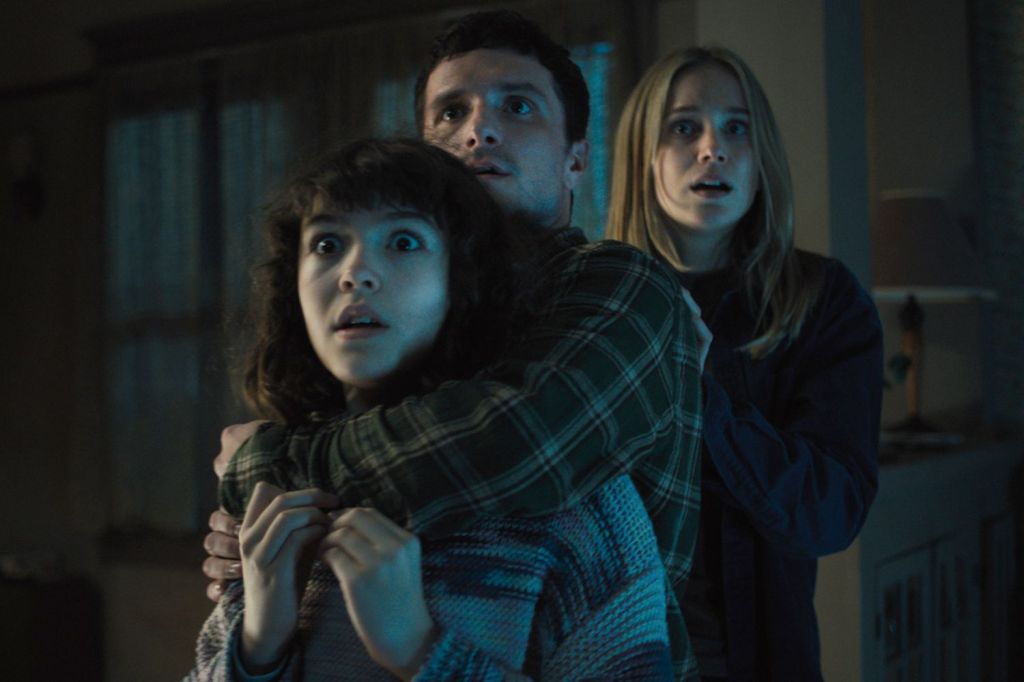
FNAF Two picks up a year after the events of the first film. Our main characters—Abby, Mike, and Vanessa—are back, though they’ve each landed in different places in their lives. One thing remains certain: once you’ve been haunted, you’re never truly free.
We’re reintroduced to Abby through her storytelling, and it’s clear she’s grown into quite the character. Unfortunately, she’s also dealing with a lot—social ostracization at school and a teacher who seems determined to dismiss her creativity and contributions at every turn. This emotional vulnerability sets the stage for what comes next.
Longing for acceptance, Abby seeks out the company of those she considers her true friends: the non-judgmental, mechanical kind. But there are new souls on the block now. The restless spirits inhabiting these animatronics are up to no good, and through Chica, they manipulate Abby into helping them. As the synopsis hints,
“Shortly after being released, the toy animatronics wreak havoc across the town.”
The film follows a logical progression, offering revelations that tie directly into the original story and even introducing a character pulled straight from the games’ lore. The animatronics are more erratic this time around, driven by an entirely different monster—one with a personal vendetta and a desire to finish what his dear old dad started. By the film’s end, there’s a resolution, and I’ll say it’s a rather satisfying one.
Comparing the Two: Where the Sequel Falls Short
FNAF Two definitely carries the spirit of the first film, and there are clear attempts to amp up the terror. However, it lacks some of the nuanced horror that made the original so effective. Sure, there’s blood this time around—but that’s not really what elevated the first film.
What made FNAF work was the haunting presence of the children’s ghosts and the psychological dread that came from exploring the twisted motives of a serial killer and kidnapper. That exploration of evil—the “why” behind the horror—added layers that went far beyond jump scares and gore. Watching the sequel made me reassess my initial impression of the first film. What I once thought was amateurish now felt more deliberate and restrained in comparison. As is often the case with sequels, the original stands as the superior entry.
That said, FNAF Two does accomplish something valuable: it reignites interest in the franchise and sends viewers back to the original for reference. Any film that provokes that kind of engagement has done its job, and this one certainly did for me.
Final Verdict
For those who haven’t seen FNAF Two, I’d say it’s worth the watch—especially if the first film made it onto your list. It may not surpass the original in every way, but it offers a compelling continuation and adds new dimensions to the story. If nothing else, it’ll remind you why the first one worked so well in the first place.
 Uncut Diamonds