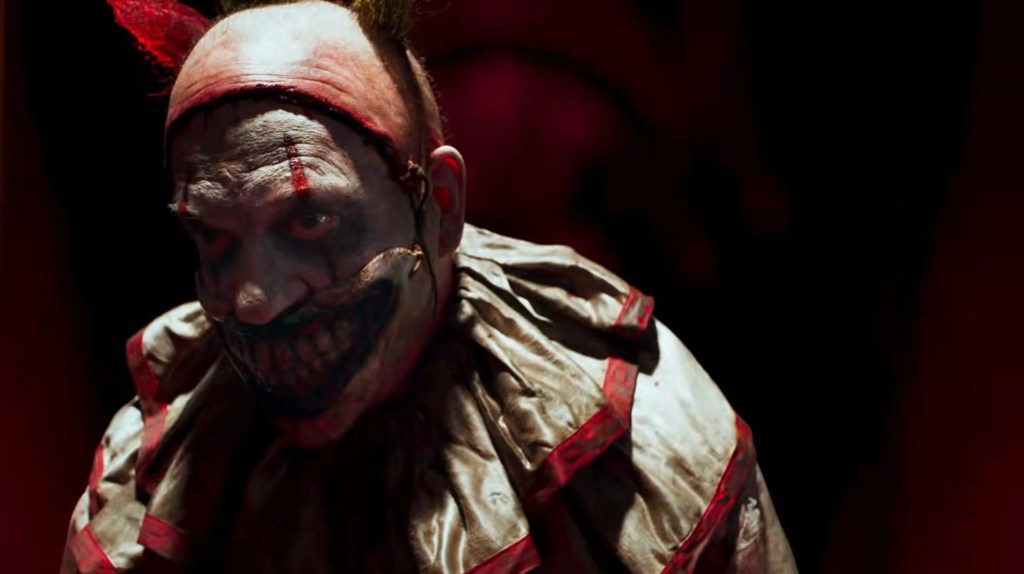
Not every creative work arrives with the finished polish audiences have come to expect, even when it comes from well-established, credible, and tried-and-true artists. Time, fatigue, creative droughts, and the law of diminishing returns eventually catch up with everyone. No one is immune. Now, a growing number of Ryan Murphy fans are discovering that reality with the latest season of American Horror Story.
American Horror Story has enjoyed an impressive run, standing as one of the few horror-driven anthology series to demonstrate such longevity. Now in its 13th season, the series is once again reaching into its familiar bag of nightmares, attempting to captivate audiences with whatever horrors remain inside. In the early years, however, the creative soil was fertile. Murphy seemed to have a seemingly endless supply of ideas eager to escape his imagination and haunt the waiting masses. Season after season, he dug deeper into the darkness, expanding the show’s mythology while cultivating an increasingly devoted fan base.
Some Secret in the Sauce
Part of that success came from another signature element: the strategic recycling of talent. Audiences became fascinated with familiar faces such as Sarah Paulson, Evan Peters, Jessica Lange, Lily Rabe, and Emma Roberts. Their returns became part of the show’s appeal, and their absences could be just as noticeable as their appearances. Jessica Lange, in particular, became one of the series’ defining figures, making her eventual departure a significant shift in the show’s identity.
Still, American Horror Story continued to evolve, with storylines expanding, collapsing, and folding in on one another. The series transported viewers from witch trials and early settlements to apocalyptic futures, exploring everything from circus outcasts and vampires to aliens, covens, cults, and camp slashers. Its willingness to venture into the bizarre was once among its greatest strengths. Yet as the seasons accumulated, a familiar question began to linger in the air like a thick, impenetrable fog: What could possibly come next?
When Reinvention Begins to Feel Like Repetition
By the time Season 12 arrived, the question of creative exhaustion had become harder to ignore. American Horror Story: Delicate was an unexpected departure from the show’s established formula, drawing from an existing literary work rather than relying entirely on the series’ usual approach to original storytelling. The change of direction was intriguing, but it also seemed to expose a possible chink in the armor. Had the well of ideas begun to run dry? Had the series, after years of pushing the boundaries of horror, finally reached the end of its creative road? Then came the announcement of Season 13.
Speculation quickly followed, but it was the promise of familiar faces returning that gave the upcoming season its much-needed jolt of excitement. The reassembly of several fan favorites, many of whom had become American Horror Story heavyweights, reignited interest in what Murphy might have planned. For longtime viewers, the prospect of seeing these performers reunite was reason enough to hope that the series might recapture some of the energy that made its earlier seasons so compelling. Expectations were high, and the question was no longer simply what horrors awaited audiences. It was whether the series could remind viewers why they fell in love with it in the first place.
Unfortunately, sometimes a creative work begins to fizzle, and no amount of nostalgia can fully restore its former glory. At least for now, that seems to be the trouble facing American Horror Story Season 13.
A Slow Burn That Struggles to Ignite
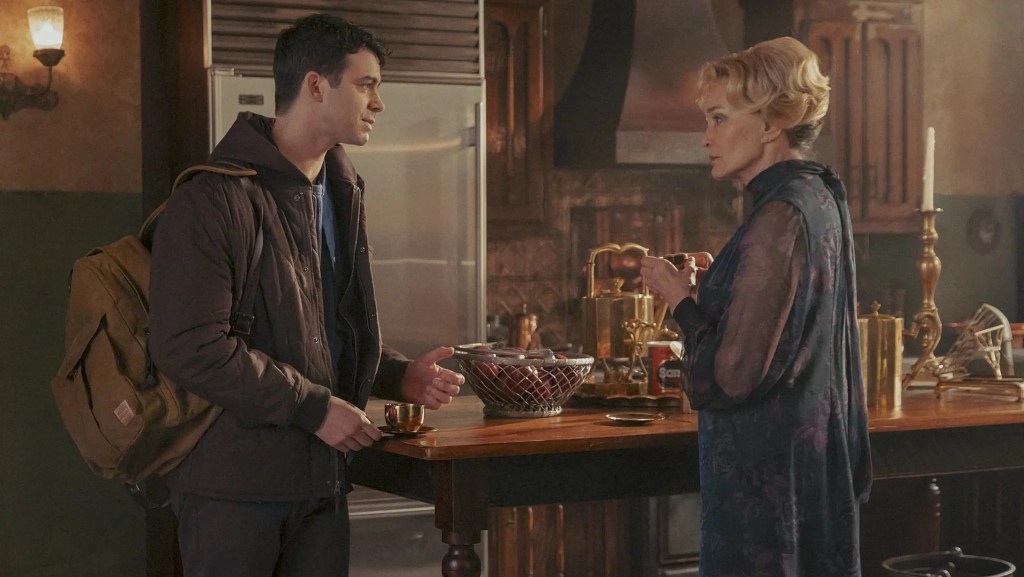
Premiering at the beginning of October, Season 13 arrived at an appropriate time, offering what should have been a fitting centerpiece for spooky season. However, the rollout has been less than ideal. Rather than releasing the season in its entirety, the series has adopted a piecemeal approach that asks viewers to wait for each new installment. For a show already carrying the weight of heightened expectations, that decision has done little to sustain the initial excitement.
The comparatively short episodes have only added to the frustration. Across social media, viewers have voiced their dissatisfaction with the limited runtimes, questioning whether the episodes provide enough substance to justify the wait. While a staggered release and shorter episodes are not inherently detrimental to a series, they can become liabilities when the storytelling fails to give audiences something meaningful to hold on to. Still, duration and release schedules alone do not make or break a show. Quality will always trump quantity, and a compelling story can make even the briefest episode feel substantial. Unfortunately, Season 13 has more significant problems to overcome.
Welcome to the New
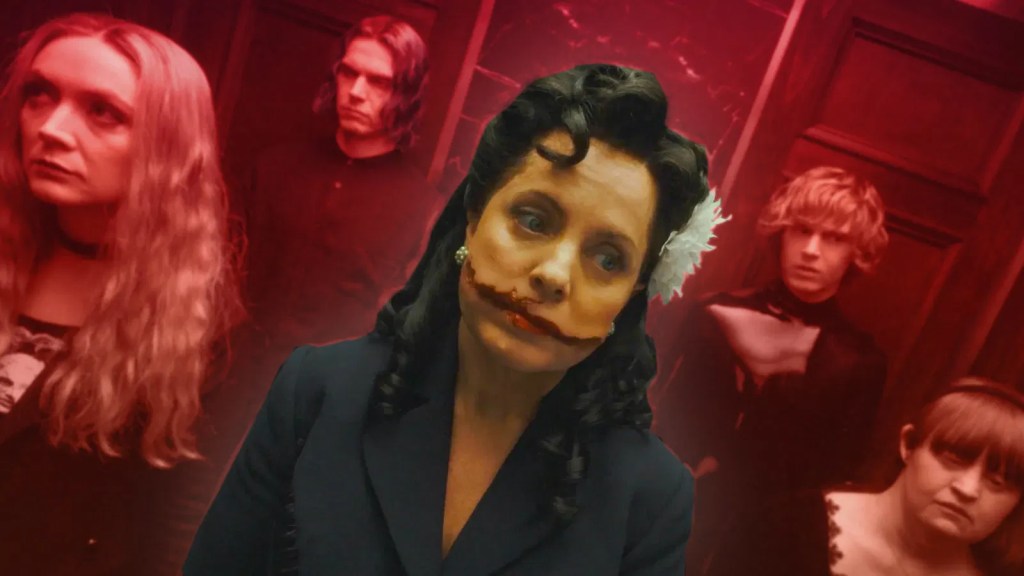
The season opens with a man plagued by a phobia of the number 13. After supposedly surviving a plane crash, he finds himself employed by Jessica Lange’s character as a caretaker for an elderly man she has taken responsibility for. His new position coincides with a particularly significant holiday, one that Lange’s character and her children are preparing to celebrate. She is expecting some very important guests, including none other than the infamous Black Dahlia.
As the gathering approaches, the elderly man’s gradual transformation into something far more monstrous begins to unfold. Meanwhile, the caretaker’s own unraveling becomes part of the mystery. The premise offers plenty of opportunities for the kind of unsettling revelations and macabre surprises that once defined the series. Yet the execution turns what could have been an intriguing slow burn into an unnecessarily drawn-out reveal.
Instead of allowing the tension to build toward satisfying discoveries, the narrative often seems content to stretch the mystery for as long as possible. The result is a story that takes its time without consistently making that time feel worthwhile.
Too Many Questions, Not Enough Answers
If there is one thing Season 13 has mastered, it is the art of confusion. In attempting to weave a layered narrative that connects with the larger body of American Horror Story, the season has instead amplified the frustration of viewers who came looking for an engaging horror story.
Mystery, symbolism, and carefully placed breadcrumbs can be powerful storytelling tools. They invite audiences to pay attention, draw connections, and become active participants in the unfolding narrative. But there is a difference between creating a mystery that rewards patience and constructing one that tests it.
In this case, the balance feels off. Each episode introduces new questions while taking what seems like an eternity to answer the ones already on the table. Rather than building momentum, the story repeatedly circles back on itself, leaving viewers to wonder whether the pieces will eventually come together or whether the confusion has become an end in itself.
Disconnected and Discombobulated
This formulaic approach has alienated some longtime fans, leaving them increasingly disconnected from a series they once anticipated with genuine enthusiasm. Others remain buckled in for the ride, but their investment seems tied as much to expectation and nostalgia as it is to the strength of the current narrative. They remember what American Horror Story can be, and they are waiting for the series to deliver on that promise once again.
That is where the disappointment becomes particularly difficult to ignore. The returning cast brings undeniable familiarity and talent, but even the most capable performers can only do so much when the material struggles to find its footing. A strong ensemble can elevate a story, but it cannot always untangle the knots created by a teleplay that seems uncertain about where it is going. For a series that once thrived on audacious ideas, memorable characters, and the thrill of the unexpected, the current season feels caught between the desire to reconnect with its past and the challenge of finding something fresh to say.
Can American Horror Story Find Its Way Back?
There is still plenty of season left to unfold, with Season 13 slated for 13 episodes. That leaves room for revelations, narrative turns, and the possibility that the story will eventually pull its scattered pieces together. Murphy and the cast still have time to redeem the experience and remind audiences that there may be more to this latest nightmare than meets the eye.
For now, however, the waters are murkier than a polluted swamp. The ingredients for a memorable season are present, from the return of beloved performers to a premise steeped in the strange and macabre. What remains uncertain is whether those ingredients can be transformed into a story that feels as compelling as the series’ best work. Sometimes even the most established creative minds encounter a dry spell. Sometimes a familiar formula loses its potency, and sometimes the very elements that once made a series successful become the things holding it back. American Horror Story is not necessarily beyond redemption, but Season 13 has yet to make a convincing case for its continued creative vitality.
The hope is that Murphy and his ensemble can pull everything together before the final curtain falls. Until then, the latest chapter of American Horror Story is looking decidedly bleak, and for a series built on the promise of nightmares, the most frightening possibility may be that the scariest thing left is the struggle to find a story worth telling.

