
Some series earn praise for their technical precision, but the most enduring ones are those that reach into the viewer—pulling them closer, urging them to feel, react, and remain fully engaged. That emotional tether is a rare achievement and exactly what defines the 2026 South African production, The Polygamist.
When A Series Demands You Feel
This was not a series I initially planned to watch. The title alone gave me pause, though that hesitation stemmed more from personal inclination than critical judgment. Still, the wave of strong reviews and viral word-of-mouth made the decision inevitable. What followed was an intensely emotional viewing experience—one so gripping it felt almost hypnotic. It quickly became one of the few series I consumed in a short span of time, a testament to its undeniable pull.
Structure & Adaptation
At 22 episodes, each running approximately 27 minutes, the series wastes no time. Its brevity sustains a tight narrative pace that keeps attention firmly locked. Adapted from Zimbabwean author Sue Nyathi’s 2012 novel The Polygamist, the series carries a backstory that is just as compelling as the narrative on screen—and arguably just as important.
When Persistence Becomes Legacy
Nyathi’s journey to publication is a powerful reminder of the resilience required to bring stories into the world. After writing the novel in 2010, she spent the entirety of 2011 alongside her editor submitting it to publishers, only to be met with rejection at every turn. As she shared with CGTN,
“Being a writer, you need to be thick-skinned… I couldn’t get a publisher for this book… there was no interest.”
Where many might have stopped, Nyathi persisted. She chose to self-publish, betting on the value of her voice even when the industry did not. That decision—rooted in conviction and endurance—ultimately allowed her work to find its audience.
There is something deeply poetic about the trajectory of The Polygamist: a story once dismissed now resonates globally, adapted into a viral Netflix series that has sparked widespread conversation. Nyathi’s experience underscores a truth many creatives know intimately—rejection is not always a reflection of worth but often of timing, access, or gatekeeping. Her persistence not only validates her own voice but also opens doors for other stories that exist outside traditional publishing pathways.
The Making of a Destructive Man
At the center of the story is Jonasi—a deeply flawed and tragic figure shaped by his environment and unresolved trauma. From childhood, he exhibits patterns of manipulation, ego, and unchecked desire. As he matures, success amplifies these traits, enabling a lifestyle built on excess and emotional destruction. Jonasi cloaks his behavior in the culturally recognized practice of polygamy, using it as a justification for actions that ultimately devastate the lives of those around him.
The Women Who Carried the Weight
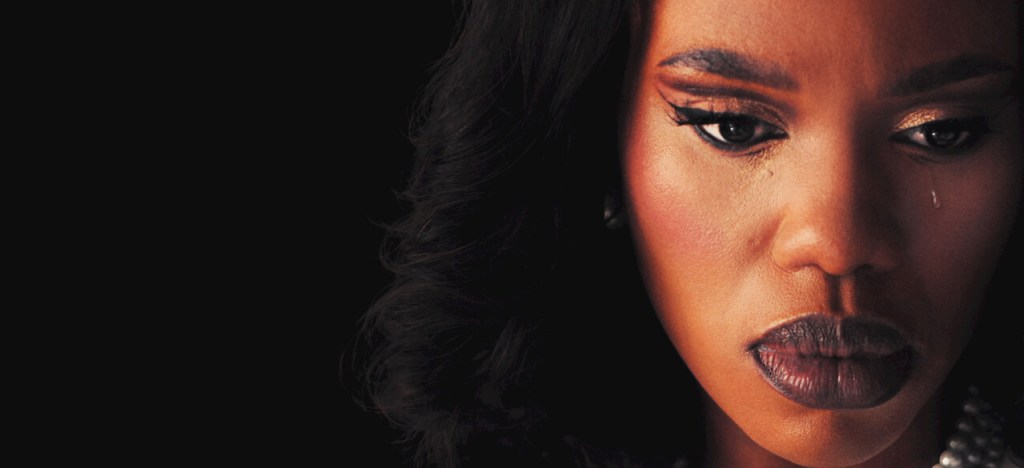
His relationships form the emotional core of the series. Joyce, his dutiful and publicly visible wife, anchors the narrative as she slowly uncovers the truth. Essie exists as a hidden partner, clinging to a promise that will never fully materialize. Mantipa enters as the second wife following an exposed affair, while Lindani—a young woman connected to Jonasi’s daughter—becomes entangled through vulnerability and aspiration. Each woman represents a different facet of love, survival, and disillusionment.
A Mirror Across Continents
The storytelling is raw and unflinching, confronting themes that are deeply triggering—particularly for women who may see reflections of their own experiences within these characters. That emotional resonance is central to the show’s success. When audiences recognize themselves on screen, investment becomes inevitable. The creative team delivers a character so antagonistic that the viewer’s visceral response feels earned.
Lessons Written in Pain

Beyond its character study, the series offers a lens into social stratification within African contexts that are not often foregrounded in mainstream storytelling. Its viral reach speaks not only to its narrative power but also to a growing global appetite for stories that reflect diverse realities. In that sense, Nyathi’s persistence becomes even more significant—her refusal to be silenced has contributed to a broader cultural exchange.
A Difficult but Necessary Watch
The series also functions as a profound cautionary tale, but its lessons extend far beyond the immediate narrative. It forces a confrontation with the cyclical nature of trauma—how childhood neglect, emotional deprivation, and unchecked behavior evolve into patterns that replicate across generations. Jonasi is not simply an isolated figure of moral failure; he is, in many ways, the embodiment of what happens when wounds go unaddressed, and accountability is absent.
The series challenges viewers to examine the quiet normalization of harmful behaviors—how charisma, success, and cultural frameworks can be weaponized to excuse damage. It underscores the cost of silence, particularly among those who recognize dysfunction but feel powerless or unwilling to intervene. Through each of the women’s experiences, the narrative explores survival in its many forms: endurance, denial, adaptation, and eventual awakening.
Equally important is the way The Polygamist reframes conversations around agency and vulnerability. It does not present its characters as simplistic victims but as individuals navigating complex emotional and socioeconomic realities. The series invites viewers to ask difficult questions: What does accountability look like in environments that enable harm? How do cycles of behavior get interrupted? And at what point does survival require confrontation rather than endurance?
These are not passive observations—the series demands introspection. It lingers in the spaces where discomfort lives, pushing viewers to recognize patterns not just on screen, but potentially within their own lived experiences or communities. That is where its true power lies: not just in what it depicts, but in what it compels its audience to reckon with long after the final episode ends.
Witnessing the Aftermath
That said, The Polygamist is not an easy watch. Its intensity may prove overwhelming for some. Still, its impact is undeniable. The performances are deeply committed, with actors fully inhabiting their roles in a way that elevates the material. By the end, Jonasi’s presence feels less like fiction and more like an unsettling reflection of realities that exist far too often.
The Polygamist is currently streaming on Netflix for those ready to engage with its challenging narrative. For readers interested in the story’s origins, Nyathi’s novel is widely available—a testament to what can happen when a writer refuses to let rejection have the final word.

