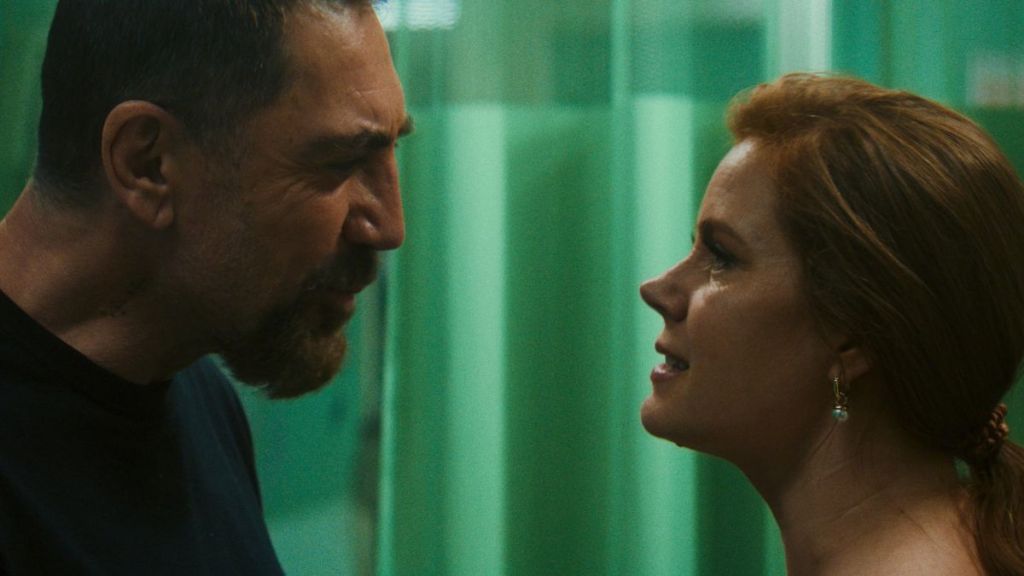
Cape Fear, the series, has made its premiere on Apple TV, and with a legacy this strong, making the grade was always going to be an uphill climb.
The original Cape Fear, released in the early 90s, told the story of Max Cady, a man convicted of a brutal assault who later finds his sentence overturned. What follows is a calculated and terrifying revenge plot against his former defense attorney. Cady was not just dangerous; he was patient, strategic, and deeply unsettling. His years in prison became time spent sharpening his mind and his anger. The result was a chilling game of cat and mouse that left audiences in a state of unease and suspense.
The Face Behind the Fear
Robert De Niro’s portrayal was central to that impact. He was menacing, fully immersed, and impossible to separate from the character. That performance earned him an Academy Award nomination, alongside Juliette Lewis, who was also recognized for her supporting role. According to the American Film Institute, both actors received Academy Award and Golden Globe nominations for their performances.
A Story Revisited and Reimagined
The 1991 film itself was not the first adaptation. It was inspired by a 1960s feature, with Martin Scorsese stepping in to direct after encouragement from Steven Spielberg and De Niro. According to the American Film Institute, Scorsese was persuaded to direct by both Spielberg and De Niro. While initial reactions were mixed, the film ultimately became one of the defining collaborations between Scorsese and De Niro.
Now, the story returns in a limited series format. As Javier Bardem said in an earlier interview,
“It’s a masterpiece. And in a way, we are trying to achieve that not the masterpiece part but the goal to bring the story to a new audience.”
That intention is clear throughout the series.
A Shift in Narrative
This version maintains the core structure of the original story while making a notable shift in the nature of Cady’s crime. Rather than the implication of sexual assault, this iteration centers on the presumed murder of his pregnant partner. Convicted and sentenced, Cady serves his time until a later confession casts doubt on the case and leads to his release.
What complicates matters further is what awaits him upon release. His former defense attorney is now married to the prosecutor who helped secure his conviction, a detail they believe remains in the past. Cady, however, is fully aware of their relationship. With that knowledge and a firm belief that his trial was fundamentally unjust, his pursuit of revenge becomes both calculated and deeply personal.
Performances That Carry the Weight
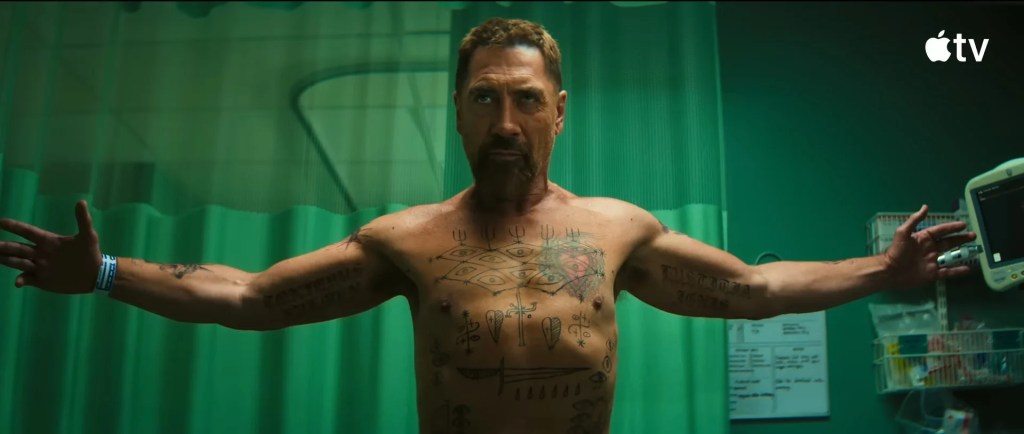
Javier Bardem steps into the role of Max Cady and delivers a performance that commands attention. His presence alone builds tension. Before he speaks, there is already a sense of unease. His vocal cadence, his physical stillness, and the quiet confidence he carries all contribute to a portrayal that feels controlled and dangerous.
Amy Adams, as Anna Bowden, brings a grounded anxiety to the role of the defense attorney. Her performance plays well against Bardem’s, creating a dynamic that feels charged and believable. Together, they anchor the series, especially in moments where the narrative leans toward overdramatization.
Suspense, Familiarity, and Expectations
There are moments in the series that stretch believability, but the performances help bridge those gaps. The show does deliver on tension and unease, though it does not quite reach the level of fear that made the 1991 film so unforgettable.
Some of the plot developments feel predictable, which may come down to experience. What once felt shocking may now feel expected, especially for viewers who have spent years immersed in the genre. There is also the reality that fear evolves. What unsettles a younger viewer may not have the same effect on someone more seasoned.
That speaks to a larger truth. What you bring to a story often shapes what you take from it.
Final Take
Cape Fear, now a 10-episode series, is solid viewing. It may not reach the iconic status of its predecessor, but it delivers what it sets out to do. It creates tension, invites unease, and offers moments that make you lean in or look away.
At its core, it provides an experience, and that is what good storytelling is meant to do.
For those who have not seen it yet, the series is currently streaming on Apple TV.

