
Many things can derail a cinematic experience, and overhype sits near the top of that list. When a film is elevated beyond what it can reasonably sustain, expectations begin to work against it. Every flaw is magnified, every gap in logic or execution becomes more visible, and the conversation shifts from appreciation to dissection.
It raises a larger question about what drives that kind of reception. Is it what Malcolm Gladwell described as a tipping point, where the right voices and the right level of visibility create momentum that has little to do with the actual quality of the work? At a certain point, hype becomes self-sustaining.
That question stayed with me after watching Obsession. The film does not substantiate the level of acclaim surrounding it.
Familiarity Without Reinvention
At its core, Obsession is direct in both plot and theme. It centers on the idea that obsession is destructive. That is not new terrain. Films such as Fatal Attraction, Misery, Single White Female, Obsessed, and The Hand That Rocks the Cradle have already defined that space with clarity and impact.
This is where the disconnect between hype and substance becomes apparent. Obsession does not expand the conversation. It revisits it.
The film also leans into the well-established horror device of impulsive or thoughtless wishes gone wrong. That concept has been explored repeatedly in films like Talk to Me, Needful Things, The Djinn, Wish Upon, and The Box. Within that framework, Obsession feels less like a fresh entry and more like a continuation of an existing formula.
Repetition in a Recent Context
Even when the film attempts to engage with more layered themes such as emotional dependency, imbalance in relationships, and ideological disconnect, it enters territory that has been addressed recently. The 2025 film Together explored similar dynamics through a couple whose dependency escalated into physical horror after an unexplained event left them literally attached.
Placed alongside that, Obsession does not distinguish itself in a meaningful way. The themes are present, but they are not deepened or reframed in a way that feels essential.
What Carries the Film
If the film does not separate itself through concept or theme, then the question becomes what accounts for its reception.
The brutality is not the differentiator. Other films have reached equal or greater levels of intensity while navigating similar ideas.
The performances, however, do stand out. The central love interest (Inde Navarrette) delivers a compelling performance that anchors the film emotionally and gives weight to material that otherwise feels familiar. That strength is noticeable, but it is not enough to fully justify the level of praise the film has received.
A more convincing explanation lies in audience alignment. The film taps into a highly recognizable emotional experience, particularly for younger viewers. Stripped of its horror elements, it speaks to the imbalance of wanting someone who does not want you in return. That is not a niche idea. It is widely understood and, in this context, amplified.
Timing Over Distinction
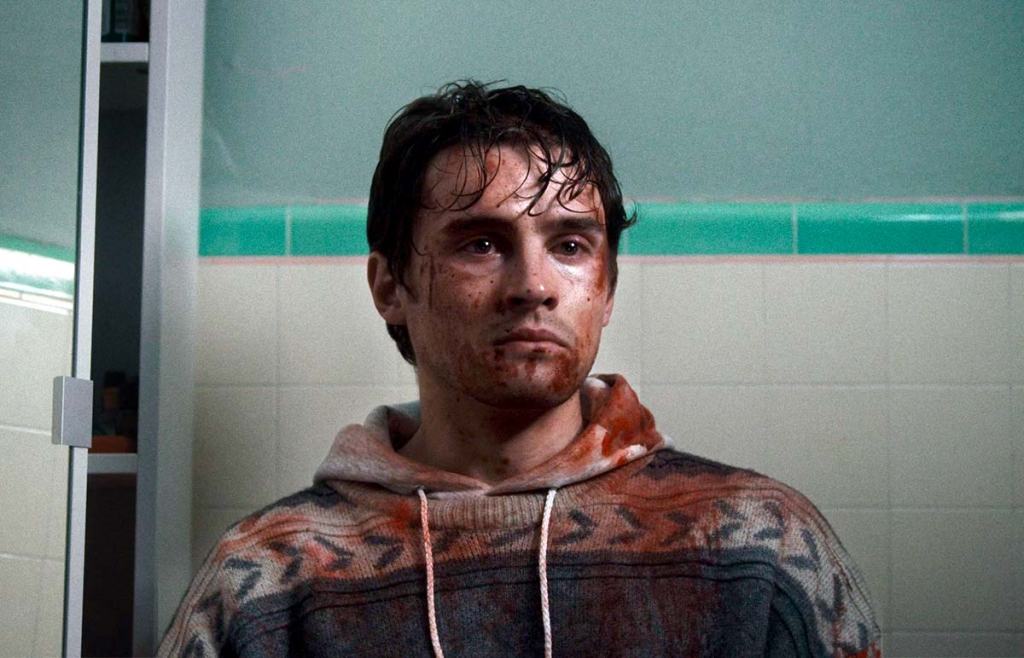
Obsession succeeds in generating conversation. It raises questions about morality, emotional dependency, and the consequences of misplaced desire. It holds attention, if only because viewers are trying to locate what justifies its reputation.
Beyond that, it settles into the space of an average film.
It does not invite deeper analysis on repeat viewings, nor does it position itself as a lasting entry in horror when measured against the genre’s history. Longevity in horror is typically defined by innovation, cultural impact, or a distinct creative voice. Obsession does not firmly claim any of those.
Sometimes films are elevated less for what they offer and more for who they reach at the moment they arrive. Right place, right time, right audience.
In a different context, this same film likely lands much closer to the middle.
Then again, to each their own.

