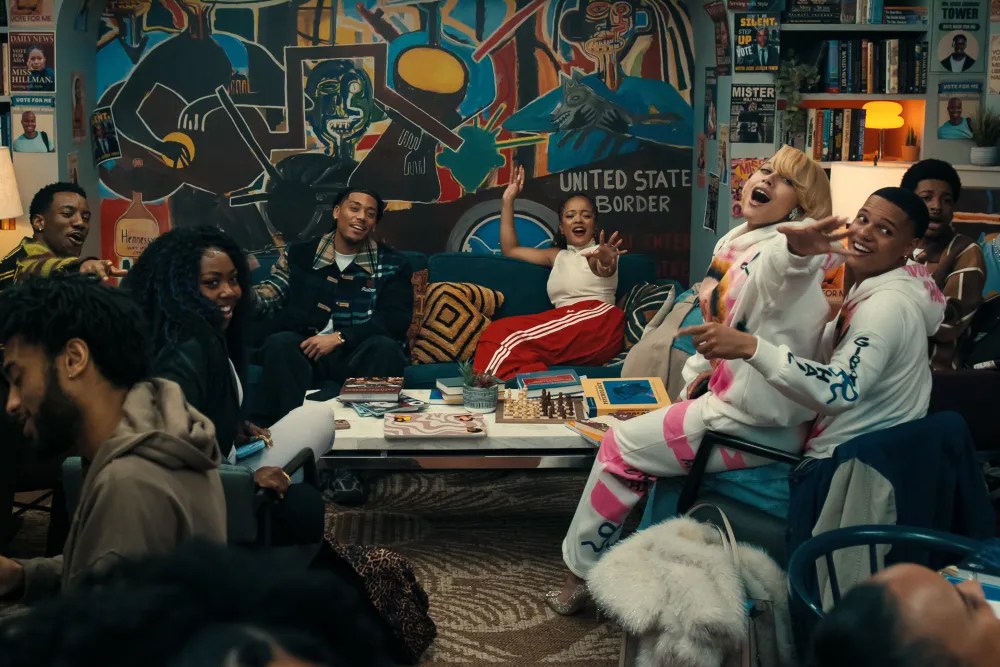
Some stories bridge generations naturally, but it takes a creative mind to bring those worlds together in a way that feels both authentic and purposeful. Felicia Pride pulled off that feat with great success in the 2026 reboot of A Different World.
A Legacy Worth Revisiting
A Different World was one of those rare series that, although somewhat rocky in its beginnings, evolved into a remarkably impactful offering. The series highlighted collegiate life, the value of education, and the significance of the HBCU in developing the guiding forces of the next generation.
It explored relational dynamics, academic rigor, personal struggles, and the experience of navigating a world that could feel completely foreign. As the original series reminded us, “It was a different world, from where they came from.”
Its cultural impact was massive. The characters became cultural symbols in their own right: Whitley Gilbert, Dwayne Wayne, Ron, Freddie, Kimberly, The Colonel, Mr. Gaines, Jaleesa, Denise, Sinbad, Lena, and so many more. What made the series particularly effective was that audiences were able to follow their growth. We watched these characters evolve, stumble, learn, and become invested in who they would ultimately become.
That investment is part of what made A Different World so enduring.
A Different World for a New Generation
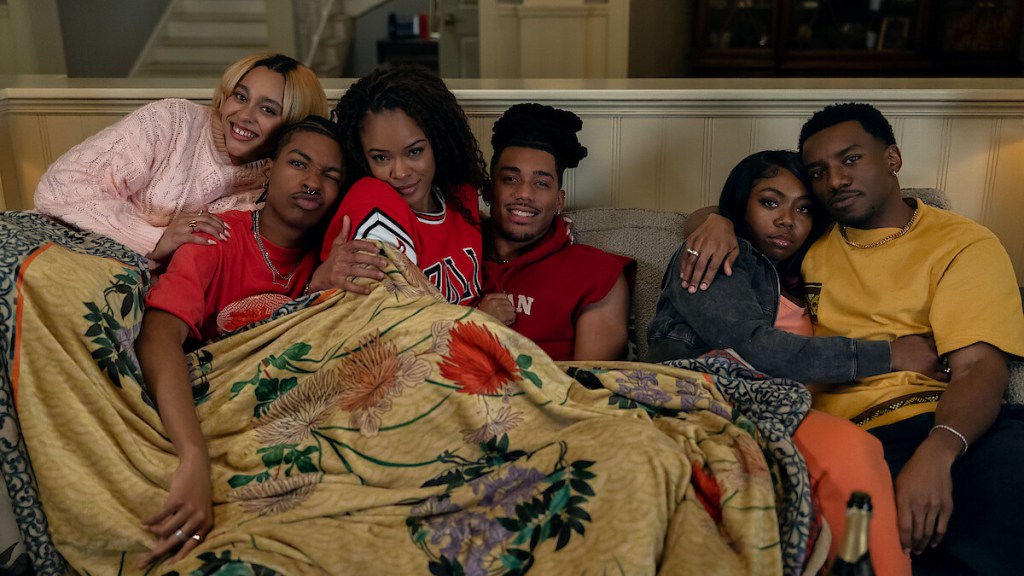
In an era dominated by remakes and reboots, A Different World would not necessarily have been at the top of the list of properties expected to receive a makeover. Yet time, circumstance, and creative gifts have a way of bringing things into manifestation that once seemed unimaginable.
The A Different World reboot is one of those things.
The ten-episode series, which recently premiered on Netflix, serves as a bridge between generations. It explores issues that transcend generational boundaries while also addressing concerns that bear greater relevance to today’s young adults. More importantly, the connective tissue between the original and the reboot is strong.
The new narrative does more than simply revisit what came before. It provides continuity where the previous series left off while simultaneously pushing the story forward. We are given an opportunity to see how relationships develop, expand, and sometimes morph over time. That is no small task when revisiting something as culturally significant as A Different World.
Education, Culture, and the Issues That Connect Us
At its heart, the reboot offers a new exploration of relatable issues and a reflective journey through which the current generation can see pieces of themselves. It recognizes that while generations may differ in how they communicate, navigate relationships, pursue careers, or understand the world around them, there are certain questions that remain remarkably consistent.
Who am I becoming?
What do I value?
What does education mean beyond obtaining a degree?
And how does the environment in which I learn shape the person I ultimately become?
Those questions remain relevant.
The reboot is therefore more than an exercise in nostalgia. It is a welcome addition to the growing catalog of stories seeking to dig deeper into the cultural significance of Historically Black Colleges and Universities and the values that can emerge from the pursuit of education.
The World May Be Different, But Some Things Remain the Same
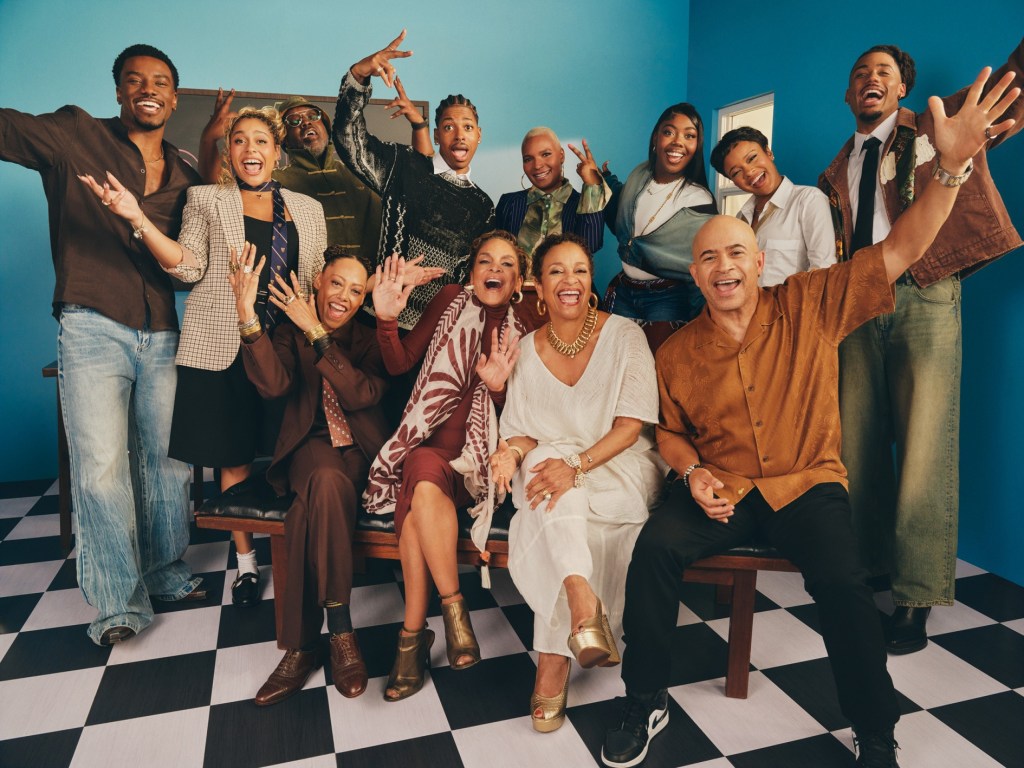
Perhaps that is what makes this reboot work.
A Different World was never simply about college. It was about becoming.
It was about young people entering unfamiliar territory and discovering themselves along the way. The world may look different now, but the journey toward adulthood, identity, purpose, friendship, love, and education remains familiar.
Felicia Pride understands that distinction. Rather than attempting to recreate the past, the reboot allows the past to inform the present while giving a new generation room to tell its own story.
And sometimes, bridging two different worlds is exactly how we discover just how much they have in common.
I think the strongest addition here is the “The World May Be Different, But Some Things Remain the Same” section. It gives your review the reflective landing you naturally gravitate toward while making the larger cultural argument about why the reboot matters.

